Slow Drains Throughout the Whole House? It May Be Your Main Sewer Line
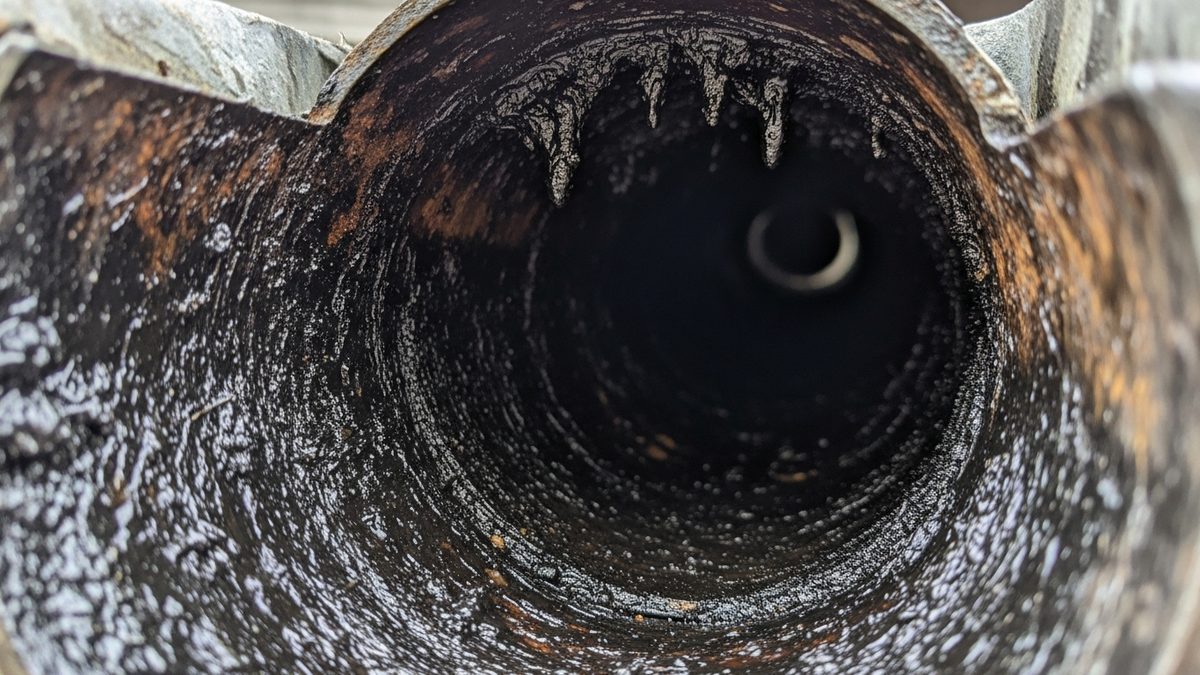
One slow drain usually means a local clog — hair, soap scum, or grease caught just beneath a single fixture. But when two, three, or four drains around the house slow down at the same time, the problem is almost never in any individual fixture. It is in the main sewer line — the one large pipe that carries all of your household wastewater out to the city sewer or your septic system.
Recognizing a main-line issue early, knowing what not to do while you wait, and getting a licensed plumber involved before a slow drain becomes a sewage backup can save you thousands of dollars.
How to tell it's the main line (not one drain)
A hair clog in one shower drain does not make your kitchen sink slow. A grease buildup under one sink does not make your toilet gurgle. But a partial blockage in the main line creates back-pressure through every fixture connected to it.
Watch for these signs:
Multiple drains are slow at once. When two or more drains in different rooms slow down together, the blockage is almost certainly in a shared pipe downstream of all of them.
Toilets gurgle when you run another fixture. Start the dishwasher or run the bathroom sink. If the nearby toilet bubbles or gurgles, air is being pushed backward through the system — a classic main-line warning.
The washing machine backs up other fixtures. A washer dumps water fast. If running a load causes a toilet to gurgle or a tub to back up, the main line cannot handle the volume.
Lowest drains are affected first. Water backs up from the bottom of the system. A basement floor drain or first-floor toilet that backs up or gurgles while upper-floor fixtures still work is a strong indicator the main line is struggling.
Sewage smell indoors. A persistent rotten-egg odor near floor drains or toilets can mean sewer gas is escaping back into the house through a line that is not draining correctly.
If you already have sewage backing up into a tub or toilet, the main line is substantially blocked and you need a plumber the same day.
Most likely causes
Grease and buildup. Cooking grease cools and sticks to pipe walls, narrowing the line over time. Soap scum and food particles add to the problem. The EPA advises never pouring cooking oil or grease down any drain.
Tree roots. One of the most common main-line culprits. Roots seek moisture, find tiny cracks in older pipe, and expand into a web that snags everything passing through. See our guide to tree roots in your sewer line for a full breakdown.
Flushed wipes and non-flushable items. "Flushable" wipes do not break down like toilet paper. They bunch up and snag inside the pipe. The EPA lists non-flushable wipes, paper towels, and feminine hygiene products among items that should never be flushed.
A bellied or collapsed pipe. Underground pipes can shift and sag over years, creating a low spot where waste collects instead of flowing through. Older clay tile pipe is especially prone to this.
Aging pipe materials. Homes built before the 1980s often have clay tile or cast-iron sewer lines. Both can corrode, crack, and deteriorate. If your home is more than 40 years old and the sewer line has never been inspected, the pipe itself may be the root cause.
What you can safely check
One fixture or all of them? Run water at the kitchen sink, bathroom sink, and shower, then flush a toilet. If only one is slow, you likely have a local clog — not a main-line problem.
Find your main cleanout. This is a capped pipe, usually three to four inches across, that gives a plumber direct access to the main line. Look for it in the basement near the base of the soil stack, in a crawl space, or outside near the foundation. Knowing its location before the plumber arrives saves time.
Skip the chemical drain openers. Liquid drain cleaners are designed for small, local clogs in a fixture trap. They do not reach a main-line blockage, and pouring large amounts into a backed-up drain can splash corrosive chemicals back on you. The EPA recommends a drain snake or professional service for serious drain problems.
Stop using water if backup has started. If wastewater is coming back up through any drain, every additional flush pushes more sewage toward your floors. Stop running water in the house and call a plumber.
Safety first
Sewage is a biohazard. According to the CDC and NIOSH, untreated sewage can carry bacteria, viruses, and parasites that cause serious illness through skin, eye, or mouth contact. If sewage has backed up onto a floor or into a tub, stay out of the area and keep children and pets away until a professional cleans and disinfects it.
Never mix chemical drain products. Combining acidic and alkaline formulas can cause heat, splashing, and toxic fumes. If you have already poured a product down a drain, tell the plumber before work begins.
When to call a pro (and what they'll do)
Call as soon as you see multiple slow drains or hear toilets gurgling. Do not wait for a complete backup. A licensed plumber will typically:
Run a camera inspection. A waterproof camera fed through the main cleanout shows exactly where the blockage is and what caused it — roots, grease, a belly, or a collapsed section. InterNACHI, the professional home inspector association, identifies camera inspection as the standard diagnostic tool for main-line problems. Without it, any fix is partly a guess.
Snake or auger the line. A flexible cable with a cutting head breaks up soft clogs and cuts through root intrusions. For a partial blockage, this often restores flow in a single visit.
Hydro jet for stubborn buildup. High-pressure water jetting at 1,500–4,000 PSI scours the inside of the pipe clean. It is more thorough than snaking and leaves pipe walls much cleaner, which slows re-accumulation.
Repair or reline if needed. A collapsed section or badly corroded pipe requires more than cleaning. Options include trenchless pipe lining (a resin sleeve cured inside the existing pipe), pipe bursting, or traditional open excavation depending on depth and access.
What it typically costs
These are rough national averages for 2025–2026 based on major home-services cost data.
- Basic drain cleaning (single fixture): $100–$250
- Main-line snaking: $150–$500
- Sewer camera inspection: $125–$400 (often included in the service call)
- Main-line hydro jetting: $350–$1,000+
- Root removal with inhibitor treatment: $200–$600 on top of base cost
- Trenchless pipe lining: $80–$250 per linear foot ($3,000–$10,000+ for a typical repair)
- Open excavation and pipe replacement: $3,000–$25,000+ depending on depth and length
Catching the problem at the slow-drain stage is almost always far cheaper than waiting for a full backup or pipe collapse.
Common mistakes
Ignoring the early signs. Gurgling and intermittent slowness are warnings, not normal. Main-line blockages grow worse over weeks or months before they become complete backups.
Using chemical openers on a main-line clog. They do not reach the blockage and can make the job more hazardous for the plumber.
Using a plunger on a main-line clog. A plunger works on a single fixture trap. It has almost no effect 20 feet down the main line.
Skipping the camera. If a plumber clears the clog without inspecting the pipe, the underlying cause — root intrusion, a belly, deteriorated pipe — goes unaddressed and the clog returns.
How to prevent it
- Throw cooking grease in the trash, never down the drain.
- Flush only toilet paper — not wipes, paper towels, or hygiene products.
- Have the sewer line camera-inspected every 5–10 years, or sooner in older homes with large trees nearby.
- Know where your main cleanout is before you need it.
- If roots have been a recurring problem, ask about annual root-foaming maintenance to slow regrowth.
FAQ
How do I confirm it's the main line and not two separate clogs? Flush a toilet and watch other low drains. If a floor drain or tub bubbles in response, that cross-fixture reaction points squarely at the main line. Two separate clogs rarely develop simultaneously and almost never produce that reaction.
Is a slow main line a plumbing emergency? Urgent, but not necessarily a same-hour crisis — until sewage starts coming back up. If any fixture is backing up with sewage, stop using all water and call a plumber immediately.
Will homeowners insurance cover this? Most standard policies do not cover sewer line repair. A sewer backup rider or service line endorsement may help — check your policy now, before a problem develops.
Do I need a camera inspection every time? Not every time — but any time the cause of the blockage is unknown, or the clog has happened more than once, a camera is worth the cost. It is the only way to know what is actually inside the pipe.
Get a free quote from a licensed drain and sewer pro
Slow drains throughout the house are a sign worth acting on now. Local Service Group connects homeowners with vetted, licensed plumbers and drain specialists near them — at no charge to you. Get your free quote today and have a qualified professional find the problem before it becomes a backup.
Sources
- U.S. Environmental Protection Agency — How to Care for Your Septic System: https://www.epa.gov/septic/how-care-your-septic-system
- U.S. Environmental Protection Agency — How Septic Systems Work: https://www.epa.gov/septic/how-septic-systems-work
- U.S. Environmental Protection Agency — SepticSmart (what not to flush): https://www.epa.gov/septic/septicsmart
- CDC / NIOSH — Storm and Flood Cleanup Health Hazards (sewage biohazard guidance): https://www.cdc.gov/niosh/topics/emres/flood.html
- InterNACHI — Plumbing Inspection Standards: https://www.internachi.org/inspect/what-to-inspect/plumbing/
- Angi — Sewer Line Repair Cost Guide (2025–2026): https://www.angi.com/articles/sewer-repair-cost.htm
- HomeAdvisor / Angi — Drain Cleaning Cost Guide (2025–2026): https://www.homeadvisor.com/cost/plumbing/clean-drains/
Disclaimer
The information on this page is provided for general educational purposes only and is offered "as is" and "as available," without warranties of any kind, whether express or implied — including, without limitation, any warranties of accuracy, completeness, reliability, merchantability, or fitness for a particular purpose. It is not professional advice and is not a substitute for inspection, diagnosis, or repair by a licensed, qualified professional.
Home systems involving gas, electricity, water, refrigerant, fire, or structural components can be hazardous, and requirements vary by local code and jurisdiction. Any inspection, diagnosis, repair, installation, or other action referenced on this page should be performed by a licensed professional. You should not rely on this content to perform such work yourself. To the fullest extent permitted by law, [Company Name] and its owners, employees, and contributors assume no responsibility or liability for any injury, death, property damage, or other loss arising out of or in connection with the use of, or reliance on, this information.
If you smell gas or suspect a carbon monoxide leak, leave the area immediately and call 911 or your gas utility from a safe location.