Sewage Backing Up Into Your Tub or Toilet? Do This Now
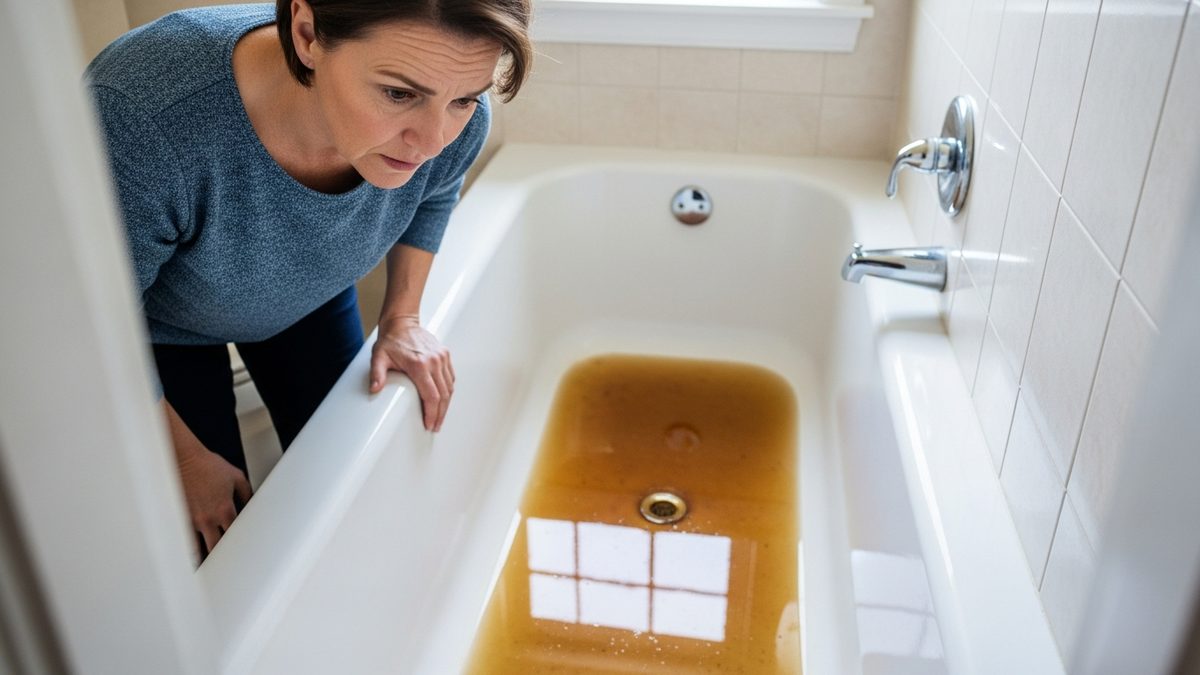
You flush the toilet and nothing goes down. Then you notice dark water creeping up through the bathtub drain. That is one of the worst surprises a homeowner can have — and it is a sign you need to act fast.
Raw sewage in your living space is not just a plumbing problem. It is a health hazard. The steps to take right now are simple, and knowing them can prevent the situation from getting much worse while you wait for help.
What to do right now
The moment you notice sewage backing up, stop using water in the house immediately:
- Do not flush any toilets.
- Do not run faucets, the dishwasher, or the washing machine.
- Tell everyone else in the house right now.
Every gallon you send down any drain adds pressure to a blocked system and pushes more sewage back up. Then get everyone — including pets — out of any room where sewage has surfaced. Do not walk through standing sewage barefoot or in socks. If the backup is in your basement, keep that room off-limits until the line is clear and cleanup is done.
Why it's backing up (main line vs single drain)
If only one fixture is affected — say, just the kitchen sink while everything else is fine — that is almost certainly a local clog from grease, hair, or soap scum.
If multiple fixtures are backing up at the same time, especially on the lower level of your home, that points to the main sewer line. This is the single pipe carrying all wastewater from your house to the municipal sewer or septic system. When it clogs, everything downstream backs up — and because gravity pulls water to the lowest point, tubs, floor drains, and first-floor toilets fill up first.
Classic signs of a main line blockage:
- Water or sewage comes up through the bathtub when you flush a toilet.
- Multiple drains gurgle or back up simultaneously.
- Your floor drain is overflowing.
Common causes include tree roots that have grown into the pipe, years of grease and debris buildup, a cracked or collapsed section, or flushed items like wipes that do not break down.
If you notice a sewer smell without a backup, that can be an early warning before a full blockage develops.
Health and safety precautions
Raw sewage is a biohazard. Public-health agencies warn that untreated sewage contains bacteria, viruses, and parasites that cause skin infections, gastrointestinal illness, and respiratory problems from airborne microorganisms. Massachusetts DEP and DPH advise treating any sewage-affected area as contaminated and taking these precautions:
- Wear waterproof rubber gloves, eye protection, and waterproof boots when entering the area.
- Cover any cuts or open wounds before entering.
- Wash your hands with soap and water immediately after any contact.
- Change and separately wash any clothing that may have touched sewage.
If the backup is significant, air out the affected space before spending extended time inside. People at higher risk — young children, older adults, pregnant women, or anyone with a weakened immune system — should stay away from the area entirely until professional cleanup is complete.
When to call a pro
For a main sewer line backup, call a licensed plumber or drain specialist right away. This is not a job for a store-bought drain cleaner or a plunger.
Diagnosis requires a camera. A camera inspection is the only reliable way to pinpoint what is blocking the line and whether the pipe is cracked or collapsed. Without it, any fix is a guess.
Clearing the line takes professional equipment. A motorized sewer auger or hydro jetter is needed to break through roots and heavy buildup. These are not DIY tools.
Cleanup is a biohazard job. If sewage surfaced in your home, cleanup requires proper protective gear, EPA-registered disinfectants, and possibly removing porous materials — carpet padding, mattresses, drywall — that cannot be adequately disinfected. FEMA recommends professional remediation for anything beyond small, isolated contamination.
Also call your municipality if neighbors are backing up too, especially after heavy rain. Homeowners own the lateral line from their house to the city main; the city owns the main itself.
What it typically costs
Rough US ranges for 2025–2026:
| Service | Typical range |
|---|---|
| Sewer camera inspection | $125 – $500 |
| Drain snaking | $150 – $500 |
| Hydro jetting | $250 – $800 |
| Partial sewer line repair | $150 – $3,800 |
| Full sewer line replacement (40 ft) | $2,000 – $10,000 |
| Sewage remediation/cleanup | $300 – several thousand |
Trenchless repair methods like CIPP lining ($90–$250/ft) can save significant money over traditional digging. A camera inspection first is almost always worth the cost — it prevents guesswork repairs.
Most homeowners insurance does not cover sewer line repair from normal wear and tear. A specific sewer backup endorsement or home warranty may help. Document the damage with photos before any work begins.
Common mistakes to avoid
Continuing to use water. Every flush or faucet run while the line is blocked pushes more sewage into your home.
Pouring chemical drain cleaners in. They are made for slow local drains, not main line blockages. They will not fix the problem and can create a hazard for the plumber.
Plunging a main line clog. Plunging just shifts pressure around. You may push sewage from one fixture into another.
Ignoring it. A main line backup will not clear on its own. The longer sewage sits, the more damage it does to drywall, subfloor, and other porous materials.
Hiring without a second opinion. If a contractor recommends full replacement without showing you camera footage, get another quote.
How to prevent sewage backups
Only flush toilet paper. Wipes — even those labeled "flushable" — do not break down in sewer pipes. Neither do paper towels, feminine hygiene products, or cotton balls.
Keep grease out of drains. Cooking grease solidifies inside pipes over time and is one of the most common causes of main line clogs. Let it cool in a container and throw it in the trash.
Get a periodic sewer inspection. Homes older than 20 to 30 years or with large trees nearby are good candidates for a camera inspection every few years. Catching root intrusion early is far cheaper than clearing a full blockage.
Install a backflow prevention valve. A check valve on your lateral line prevents sewage from flowing backward into your home during a surcharge. Installation runs $150 to $1,200 depending on setup.
Know where your cleanout is. The sewer cleanout is a capped pipe near your foundation or in the yard. Knowing its location helps any plumber get to work quickly in an emergency.
FAQ
Can I use my toilets if sewage is backing up into the tub? No. Stop using all fixtures until the line is cleared. Every flush adds more material to an already-blocked system.
Is it safe to stay in my house? It depends on extent. If sewage is confined to one small area and you can avoid it, you may be able to stay. If it has spread significantly, or someone in the home has a weakened immune system, it is safer to stay elsewhere until cleanup is done.
Should I open the sewer cleanout myself? Locate it so you can show the plumber, but do not remove the cap during an active backup. Releasing it can cause a pressurized release of sewage. Leave that step to the professional.
How do I know if the problem is my line or the city's? If neighbors are also backing up — especially after heavy rain — the blockage may be in the municipal main. Call your local public works department. If it is isolated to your home, the clog is almost certainly in your private lateral line.
Will homeowners insurance cover this? Most standard policies do not cover sewer backup unless you have a specific endorsement. Document the damage with photos before any cleanup begins and call your insurer right away.
If you are dealing with a sewage backup right now, the fastest path to a fix is getting a vetted local professional on the phone. A licensed plumber or sewer specialist can diagnose the problem with a camera, clear the line, and tell you exactly what repairs — if any — are needed.
Get a free quote from a vetted plumber or sewer pro near you and find out what it will take to get your drains flowing safely again.
Sources
- CDC — Safety Guidelines: Reentering Your Flooded Home: https://www.cdc.gov/floods/safety/reentering-your-flooded-home-safety.html
- CDC — Floodwater After a Disaster or Emergency: https://www.cdc.gov/floods/safety/floodwater-after-a-disaster-or-emergency-safety.html
- FEMA — Urban Flooding: Guidance for Homeowners and Renters: https://www.fema.gov/sites/default/files/documents/fema_urban_flooding_guidance_for_homeowners_and_renters.pdf
- FEMA — When It Rains, It Pours: Blocking Rainwater and Preventing Sewer Backup: https://www.fema.gov/case-study/when-it-rains-it-pours-blocking-rainwater-and-preventing-sewer-backup
- Colorado Department of Public Health & Environment — Cleaning Up After a Residential Sewer Backup (PDF hosted via dec.vermont.gov): https://dec.vermont.gov/sites/dec/files/dwgwp/roed/pdf/residentialsewerbackups.pdf
- Massachusetts DEP / DPH — Flooding and Sewage Back-ups: Home Care Guide: https://www.mass.gov/guides/flooding-and-sewage-back-ups-home-care-guide
- HomeGuide — Sewer Line Repair and Replacement Cost (2026): https://homeguide.com/costs/sewer-line-repair-cost
Disclaimer
The information on this page is provided for general educational purposes only and is offered "as is" and "as available," without warranties of any kind, whether express or implied — including, without limitation, any warranties of accuracy, completeness, reliability, merchantability, or fitness for a particular purpose. It is not professional advice and is not a substitute for inspection, diagnosis, or repair by a licensed, qualified professional.
Home systems involving gas, electricity, water, refrigerant, fire, or structural components can be hazardous, and requirements vary by local code and jurisdiction. Any inspection, diagnosis, repair, installation, or other action referenced on this page should be performed by a licensed professional. You should not rely on this content to perform such work yourself. To the fullest extent permitted by law, [Company Name] and its owners, employees, and contributors assume no responsibility or liability for any injury, death, property damage, or other loss arising out of or in connection with the use of, or reliance on, this information.
If you smell gas or suspect a carbon monoxide leak, leave the area immediately and call 911 or your gas utility from a safe location.