Refrigerator Not Cooling but the Freezer Works (or Running Warm)?
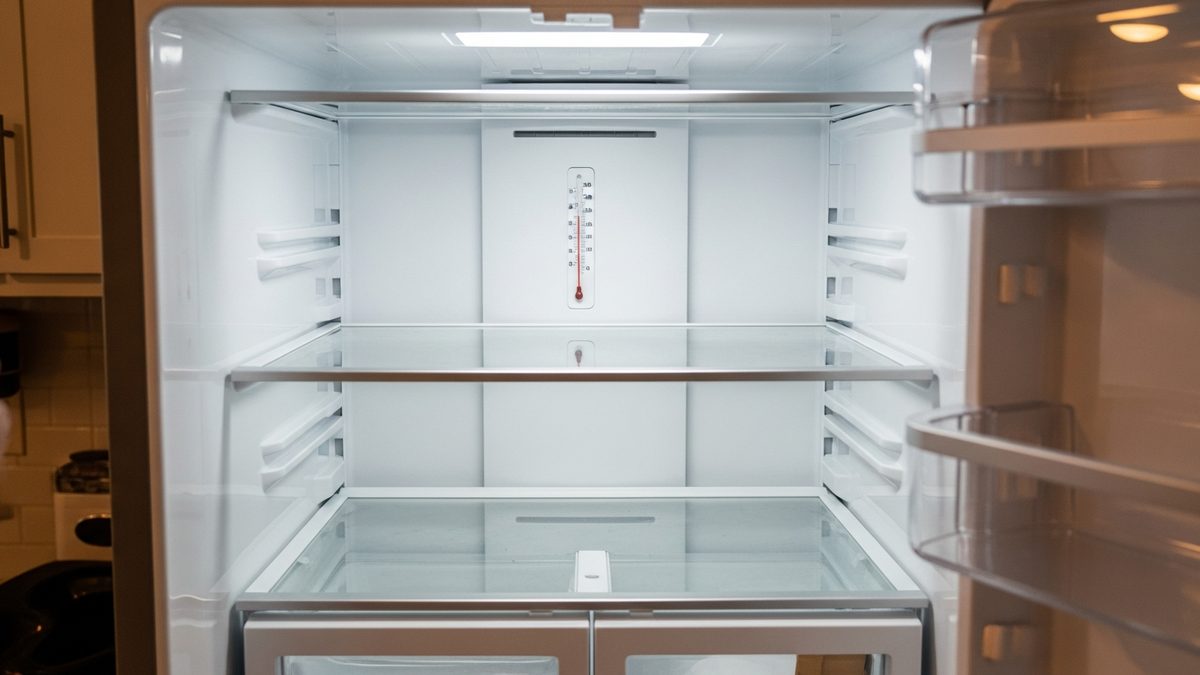
Safety notice: Unplug your refrigerator from the wall outlet before removing panels, touching internal components, or doing any hands-on work inside the unit. Water and electricity are a dangerous combination. If you smell burning, see scorching near the wiring harness, or are not comfortable with the repair, stop and call a licensed appliance technician.
Two problems tend to send people searching for answers: (1) the freezer is ice-cold but the refrigerator section feels like a warm closet, and (2) the whole unit is running noticeably warmer than it should. Both situations can spoil food fast. Fortunately, most of the root causes overlap, and many are things a careful homeowner can check — or at least diagnose — before calling a pro.
A refrigerator should keep food between 35°F and 38°F, according to ENERGY STAR guidance from the U.S. Environmental Protection Agency. Your freezer should sit at 0°F. If either zone drifts far outside those ranges, something in the cooling system needs attention.
If you also notice water pooling under or inside your fridge, check out our guide on fridge leaking water for a separate set of causes.
Most likely causes (ranked by how often they appear)
1. Iced-over or blocked evaporator coils On most refrigerators, a single set of evaporator coils chills both compartments. Cold air moves from the freezer into the fridge section through a duct. When frost builds up too thick on the coils — usually because the automatic defrost system stopped working — that airflow gets choked off. The freezer stays cold because the coils are still right there, but the fridge section starves for cold air. This is the number-one cause of a warm fridge with a working freezer.
2. Faulty evaporator fan motor The evaporator fan pulls air across the coils and pushes it into both compartments. If the motor burns out or a fan blade is obstructed, airflow drops sharply. The freezer often stays marginally cool (it surrounds the coils) while the fridge section warms up fast.
3. Stuck or broken damper (air diffuser) A small plastic or foam flap — called a damper or air diffuser — controls how much cold air flows from the freezer into the refrigerator section. It can stick closed (from ice or wear), cutting the fridge section off from cold air entirely while the freezer keeps running fine.
4. Dirty or blocked condenser coils The condenser coils release heat from the refrigerant. On most models, they sit underneath the fridge or along the back. ENERGY STAR and manufacturers including Whirlpool and LG recommend cleaning them at least once a year. When they coat up with dust and pet hair, the refrigerant can't shed heat efficiently and the whole appliance runs warm.
5. Worn or torn door gaskets (seals) A door seal that doesn't grip tightly lets warm, humid room air leak in. The compressor runs almost constantly trying to compensate, but the temperature slowly creeps up — especially in the fridge section, which is warmer to begin with. You can test a gasket by closing the door on a dollar bill. If you can pull the bill out without resistance, the seal is too loose.
6. Overpacking or blocking the vents Cramming the fridge too full blocks the internal air vents. Cold air can't circulate, warm spots develop, and food near the blocked vents goes bad first. This is easy to overlook but is a common culprit, especially after a big grocery run.
7. Faulty thermistor (temperature sensor) The thermistor reads the internal temperature and tells the control board when to run the compressor and fans. A bad thermistor can report an incorrect temperature, causing the system to under-cool — or not cool at all — even when the hardware is physically fine.
8. Defrost heater or defrost thermostat failure Modern frost-free refrigerators run a defrost cycle several times a day to melt frost off the evaporator coils. If the defrost heater burns out or the defrost thermostat fails, frost accumulates until it eventually blocks airflow completely (see cause #1).
9. Low refrigerant / compressor issues If the compressor itself is failing or refrigerant has leaked out, the whole unit will run warm. This is the least common DIY-fixable cause and typically requires a licensed technician.
Troubleshoot it yourself (safely)
Step 1 — Check the temperature settings. Someone may have bumped the dial. Set the refrigerator to 37°F and the freezer to 0°F. Give the unit 24 hours to stabilize before drawing conclusions.
Step 2 — Listen and look for the evaporator fan. Open the freezer and hold the door switch (the button the door pushes when closed). You should hear the fan running. If you hear nothing, or the fan sounds like it's struggling, the motor is likely failing.
Step 3 — Check for frost buildup on the back wall of the freezer. Remove freezer shelves and pull off the rear panel (usually held by a few screws). If you see a solid block of ice coating the evaporator coils, the defrost system has failed. As a temporary fix, you can unplug the fridge and leave the doors open for 24–48 hours to let the ice melt naturally. If the problem returns within a week or two, a component in the defrost circuit needs replacing.
Step 4 — Test the damper. The damper is usually behind a plastic housing in the upper-back area of the fridge section. It should open and close with your hand. If it's frozen solid or the plastic flap is cracked, that is likely blocking airflow.
Step 5 — Clean the condenser coils. Unplug the refrigerator. Pull it away from the wall or remove the bottom kick plate. Use a long-handled coil brush (available at hardware stores for under $15) and a vacuum to remove dust buildup. This alone can bring temperatures back to normal if dirty coils were the culprit.
Step 6 — Inspect the door gaskets. Run your hand along the seal with the door closed. Any spots where you can feel cold air escaping or where the rubber looks cracked or compressed flat need attention. Replacement gaskets are available from appliance parts suppliers by model number.
Step 7 — Clear the vents and reorganize. Make sure no containers or bags are blocking the air vents on the back or side walls of the fridge section. Leave at least an inch of space between items and the back wall.
Safety first
- Unplug before any internal work. Never touch the evaporator coils, fan motor, or wiring with the unit plugged in.
- Water + electricity. If you are thawing ice buildup, keep the floor around the unit dry and set towels under the fridge to catch meltwater before it reaches any outlets.
- Refrigerant is regulated. If you suspect a refrigerant leak (oily residue near coils, compressor running but nothing cooling), do not try to add refrigerant yourself. Handling refrigerants requires an EPA Section 608 technician certification. Call a pro.
- Heavy unit. Refrigerators are heavy. Get a second person to help pull the unit away from the wall. Use an appliance dolly if available.
When to call a licensed pro
Call a licensed appliance repair technician when:
- The compressor is not running at all or runs constantly without cooling.
- You find oil stains or smell a faint chemical odor near the coils (refrigerant leak).
- The defrost system has failed and the issue comes back quickly after a manual defrost.
- The thermistor or control board test faulty with a multimeter.
- You are not comfortable removing the rear freezer panel or working near the sealed refrigerant system.
Repair vs. replace: Industry guidance generally suggests that if the repair cost exceeds 50% of the price of a comparable new unit, replacement is the smarter financial choice — especially for refrigerators over 10 years old. A basic service call typically runs $100–$200. Major repairs like a compressor replacement can cost $300–$600 or more, which often pencils out poorly on an aging unit.
What it typically costs (2025–2026 estimates)
These are national averages for common refrigerator repairs. Actual prices depend on brand, model, part availability, and your location.
| Repair | Typical cost range |
|---|---|
| Service call / diagnostic | $75 – $150 |
| Evaporator fan motor replacement | $150 – $300 |
| Defrost heater or thermostat | $100 – $250 |
| Damper / diffuser replacement | $75 – $200 |
| Thermistor replacement | $100 – $200 |
| Condenser coil cleaning (pro) | $75 – $150 |
| Door gasket replacement | $100 – $250 |
| Compressor replacement | $300 – $600+ |
Common mistakes to avoid
- Overpacking after restocking. After a big grocery trip, resist the urge to jam everything in tightly. Block the vents and you recreate the problem.
- Setting the temperature too low. Running the fridge colder than needed causes the coils to frost over faster and wastes energy. Stick to 37°F–38°F.
- Ignoring the coils for years. Manufacturers recommend cleaning condenser coils once or twice a year. Skipping this is the leading preventable cause of warm-running refrigerators.
- Manually defrosting repeatedly without fixing the root cause. Melting the ice is a temporary fix. If the defrost heater or thermostat is bad, the ice will return within days or weeks.
- Blocking airflow around the exterior. The fridge needs a few inches of clearance on all sides to allow the condenser to shed heat. Pushing it tight against a cabinet wall traps that heat.
How to prevent cooling problems
- Clean condenser coils every 6–12 months (more often if you have pets).
- Check door gaskets every year and replace them when you notice any cracking or looseness.
- Keep the fridge at the recommended 37°F–38°F and avoid running it in a garage or uninsulated space where ambient temps swing widely.
- Do not leave the door standing open longer than needed.
- Allow hot leftovers to cool to room temperature before placing them inside — adding a large heat load forces the compressor to work harder.
- Replace the water filter on schedule (typically every 6 months) to keep the internal water system from adding unexpected moisture that accelerates frost buildup.
Frequently asked questions
Why does my freezer still work if the fridge is warm? In most single-compressor refrigerators, the evaporator coils are physically located in the freezer compartment. The freezer gets cold first because it surrounds the coils. Cold air is then fanned into the refrigerator section. If that airflow is blocked — by ice, a broken fan, or a stuck damper — the freezer stays cool while the fridge warms up.
How long does it take a refrigerator to cool back down after I fix the problem? After clearing an ice blockage or cleaning dirty coils, give the unit 4–8 hours to stabilize. Some units may take up to 24 hours to fully return to the correct temperature.
Can a full refrigerator cause warming? Yes. Overpacking blocks the internal air vents and prevents cold air from circulating. A well-organized fridge with good airflow cools more evenly than a crammed one.
Is it worth fixing a 12-year-old refrigerator? It depends on the repair. Cleaning the coils or replacing a fan motor on a well-maintained 12-year-old unit often makes sense. Replacing the compressor on a 15-year-old unit rarely does.
My fridge is running but not cooling at all — what is most likely wrong? If the compressor is running (you can hear a low hum) but nothing is getting cold, the most common culprits are a failed evaporator fan, a complete ice blockage over the evaporator coils, or a refrigerant leak. Each of these is best diagnosed with a technician's tools.
Need help with your refrigerator?
If you've worked through these steps and the problem is still there, a licensed appliance technician can diagnose the issue quickly and give you an honest repair-vs.-replace recommendation. Contact Local Service Group for a free quote and we'll connect you with a qualified pro in your area.
Sources
- ENERGY STAR (U.S. EPA/DOE) — Refrigerator buying guidance and recommended temperature settings: https://www.energystar.gov/products/refrigerators
- U.S. Department of Energy — Energy Saver: Refrigerators: https://www.energy.gov/energysaver/refrigerators
- LG Electronics USA — Refrigerator troubleshooting help library: https://www.lg.com/us/support/help-library
- U.S. EPA — Section 608 Technician Certification (refrigerant handling requirements): https://www.epa.gov/section608
Disclaimer
The information on this page is provided for general educational purposes only and is offered "as is" and "as available," without warranties of any kind, whether express or implied — including, without limitation, any warranties of accuracy, completeness, reliability, merchantability, or fitness for a particular purpose. It is not professional advice and is not a substitute for inspection, diagnosis, or repair by a licensed, qualified professional.
Home systems involving gas, electricity, water, refrigerant, fire, or structural components can be hazardous, and requirements vary by local code and jurisdiction. Any inspection, diagnosis, repair, installation, or other action referenced on this page should be performed by a licensed professional. You should not rely on this content to perform such work yourself. To the fullest extent permitted by law, [Company Name] and its owners, employees, and contributors assume no responsibility or liability for any injury, death, property damage, or other loss arising out of or in connection with the use of, or reliance on, this information.
If you smell gas or suspect a carbon monoxide leak, leave the area immediately and call 911 or your gas utility from a safe location.