Is the Mold in My House Dangerous? When to Worry and When to Test
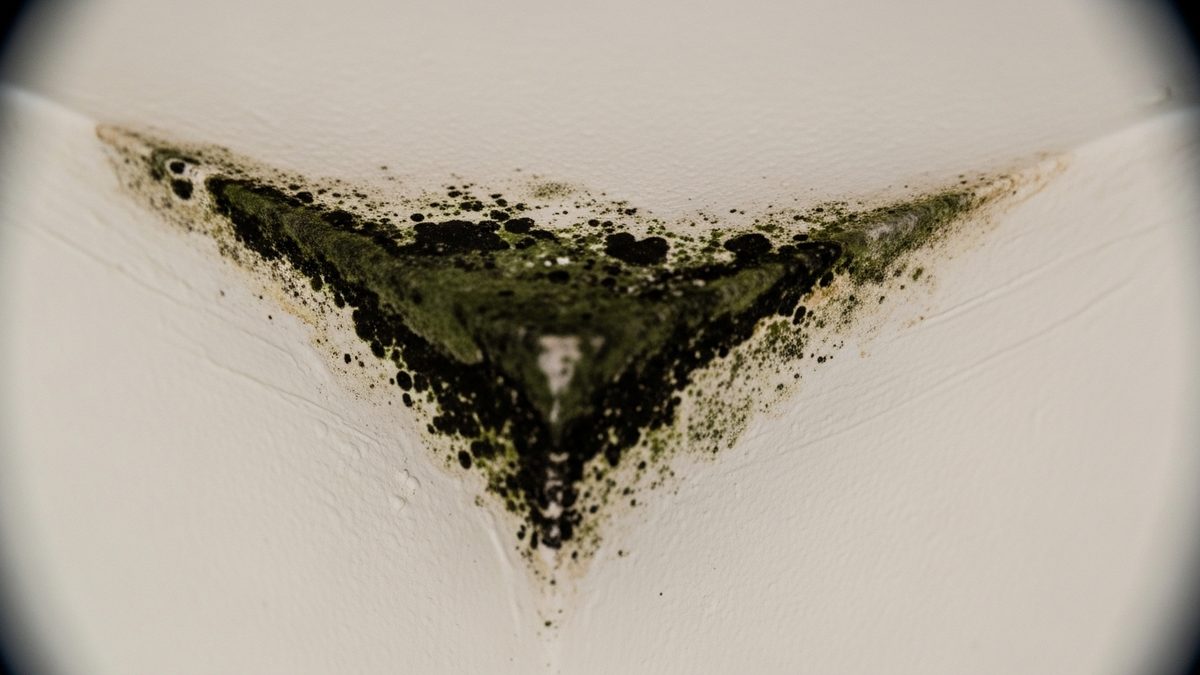
If you see mold in your home, the right move is to clean it up and fix the moisture that caused it — not to panic, and not to wait for a test result before acting. Most household mold causes mild or no symptoms in healthy people. But mold can be a real health problem for certain groups, and some situations go well beyond DIY territory.
Here is what the evidence actually says, and how to decide what to do next.
Is household mold dangerous?
Mold produces allergens, irritants, and in some cases substances called mycotoxins. According to the EPA, inhaling or touching mold or mold spores can cause allergic reactions in sensitive people. Common symptoms include a stuffy or runny nose, sneezing, red or itchy eyes, skin rash, and coughing or wheezing.
The CDC notes that exposure to damp and moldy environments may cause a variety of health effects — or none at all. How you respond depends heavily on your personal sensitivity and the amount of mold involved.
Who is most at risk?
Some people are much more vulnerable than others. The groups who face the greatest risk from mold exposure include:
- People with asthma. Mold is a documented asthma trigger. The EPA states that people with asthma who are allergic to mold can have severe reactions and should avoid mold contact altogether.
- People with allergies. Those who are already sensitized to mold allergens tend to have stronger and faster reactions.
- People with weakened immune systems. The CDC warns that immune-compromised individuals and those with chronic lung disease may develop actual mold infections in their lungs — a much more serious outcome than an allergic reaction.
- Young children. Research cited by the CDC suggests early mold exposure may increase the risk of developing asthma in children who are genetically predisposed to it.
- Older adults. Older people tend to spend more time indoors and may have respiratory or immune vulnerabilities that make mold exposure riskier.
If everyone in your household is healthy and not in any of these groups, a small patch of mold is unlikely to cause a crisis. But that is not a reason to leave it alone.
A note on "toxic black mold"
You have probably heard the phrase. The mold it refers to — Stachybotrys chartarum — is real, and the CDC confirms it grows on high-cellulose materials like drywall and fiberboard when there is constant moisture. However, the CDC is careful to say that a proven causal link between Stachybotrys and severe health outcomes in ordinary home settings has not been firmly established. The agency's current guidance is straightforward: it is not necessary to identify which type of mold you have. All mold should be treated the same way — remove it and fix the moisture source.
Warning signs to take seriously
Not every fuzzy spot on a bathroom tile is an emergency. These situations warrant more urgent action:
- Mold covers a large area (more than roughly 10 square feet)
- Mold keeps coming back after cleaning, suggesting an unresolved moisture problem
- You smell mold but cannot see it — hidden mold inside walls, under flooring, or in the HVAC system is harder to address safely
- Someone in your home has been getting sick — respiratory symptoms, persistent coughing, or worsening asthma that improves when they leave the house
- The mold appeared after a water event such as a roof leak, plumbing failure, or flooding. Mold after flooding grows fast and can spread into wall cavities and insulation quickly. For a deeper look at that specific situation, see our guide on mold that shows up after a flooded basement or water damage.
- The HVAC system may be involved — if mold is near an air intake or return vent, spores can be circulated through the entire home
Should you test for mold?
Probably not — at least not before cleaning.
The EPA's position is direct: in most cases, if visible mold growth is present, sampling is unnecessary. There are no federal exposure limits for mold or mold spores, which means a test result cannot tell you whether your home is "compliant" with any standard. A positive test does not change what you need to do, which is remove the mold and fix the moisture.
The CDC goes further: it does not recommend home mold testing at all. The agency points out that no standards exist for what level of mold in a home is acceptable, good sampling is expensive, and the health effects of mold vary so widely from person to person that a mold count alone cannot predict whether someone will get sick.
When testing may make sense:
- After remediation is complete, to confirm cleanup was thorough
- When you strongly suspect hidden mold but cannot find it visually (a professional air or surface sample may help locate the source)
- In a legal or real-estate dispute where documentation is required
If you do choose to test, the EPA recommends hiring a professional with specific experience in mold sampling — not buying an over-the-counter test kit and mailing it in.
What's causing it
Every mold problem is really a moisture problem. Mold spores are everywhere indoors and out. They only grow into visible colonies when they land on a wet or persistently damp surface.
Common moisture sources in homes include:
- Roof or window leaks
- Plumbing leaks inside walls, under sinks, or behind appliances
- Condensation on cold surfaces (pipes, exterior walls, windows)
- High indoor humidity from poor ventilation, especially in basements, bathrooms, and crawl spaces
- Flooding or water intrusion after heavy rain
The CDC recommends keeping indoor humidity below 50% to discourage mold growth. Fix leaks promptly. Water-damaged materials should be dried out within 24 to 48 hours to prevent mold from getting established.
What to do right now
Small area (under about 10 square feet): The EPA says most homeowners can handle this themselves.
- Fix the moisture source first. Cleaning without fixing the leak or humidity problem means the mold will return.
- Wear rubber gloves, goggles, and an N-95 respirator before you start.
- Scrub mold off hard surfaces with detergent and water, then dry completely. The CDC also allows a bleach solution of no more than 1 cup of household bleach per gallon of water — but never mix bleach with ammonia or other cleaners.
- Porous materials like ceiling tiles, drywall, and carpet that are heavily molded usually cannot be fully cleaned. They need to be bagged and discarded.
- Do not paint over mold. Paint applied to a moldy surface will peel.
Larger area or uncertain situation: Stop and call a professional. More on that below.
When to call a remediation pro
Some mold jobs are not safe or practical to DIY. Call a licensed mold remediation contractor when:
- The affected area is larger than 10 square feet (roughly a 3-foot by 3-foot patch), per EPA guidance
- There is mold inside your HVAC system or ductwork — do not run the system until it has been inspected, as it can spread spores throughout the home
- Water damage was caused by sewage or other contaminated water
- You suspect mold is growing inside walls, under flooring, or in insulation where you cannot see it
- A household member has ongoing respiratory symptoms or a compromised immune system
- The mold came back after you already tried to clean it
When hiring a contractor, the EPA recommends checking references and asking the contractor to follow established remediation guidelines from professional organizations such as the IICRC (Institute of Inspection, Cleaning and Restoration Certification) or ACGIH (American Conference of Governmental Industrial Hygienists).
How to prevent mold (moisture control)
Controlling moisture is the only reliable way to prevent mold. The CDC recommends these steps:
- Keep indoor humidity at or below 50% — use an air conditioner or dehumidifier if needed
- Run exhaust fans in bathrooms and kitchens and make sure they vent to the outside, not into the attic
- Fix roof, wall, and plumbing leaks as soon as you find them
- Dry out any water-damaged areas and materials within 24 to 48 hours
- Avoid carpet in basements and bathrooms where moisture is hard to control
- Make sure your clothes dryer vents outside the home
FAQ
Does mold always look black? No. Common household molds can be white, gray, green, brown, or black. Color is not a reliable indicator of how harmful a mold is. The CDC and EPA both say to treat all mold the same way regardless of color or type.
Can I use bleach to kill mold? Bleach works on hard, non-porous surfaces like tile and tubs. It does not penetrate porous materials like drywall or wood, so it will not eliminate mold that has grown into the material. For porous surfaces, removal and replacement is more effective than bleach.
My house smells musty but I cannot see any mold. Should I be concerned? A persistent musty odor is often a sign of hidden mold — in wall cavities, behind paneling, under flooring, or in the HVAC system. The EPA recommends consulting a professional before disturbing potential hidden mold sites, since disturbance can release large numbers of spores.
Is mold covered by homeowner's insurance? It depends on your policy and the cause. Mold resulting from a sudden, covered water event (like a burst pipe) may be covered. Mold from long-term neglect or gradual leaks usually is not. Check your policy and document the damage thoroughly before starting any cleanup.
How fast does mold grow after water damage? Mold can begin to establish itself within 24 to 48 hours of a water event, according to the CDC and EPA. This is why fast drying is so important after any leak or flood.
Get a quote from a vetted mold pro near you
If your mold situation is beyond a small DIY cleanup — or if you want a professional assessment before deciding — get a free quote from a vetted mold remediation specialist in your area. Local Service Group connects homeowners with screened, reviewed pros who can inspect, test, and remediate. There is no obligation to hire.
Get a free mold remediation quote near you
Sources
- EPA — Mold and Health: https://www.epa.gov/mold/mold-and-health
- EPA — Is Sampling/Testing for Mold Necessary?: https://www.epa.gov/mold/samplingtesting-mold-necessary
- EPA — Mold Cleanup in Your Home: https://www.epa.gov/mold/mold-cleanup-your-home
- EPA — A Brief Guide to Mold, Moisture and Your Home: https://www.epa.gov/mold/brief-guide-mold-moisture-and-your-home
- CDC — About Mold: https://www.cdc.gov/mold-health/about/index.html
- CDC — Facts About Stachybotrys chartarum: https://www.cdc.gov/mold-health/data-research/facts-stats/index.html
- NIEHS — Mold: https://www.niehs.nih.gov/health/topics/agents/mold/index.cfm
Disclaimer
The information on this page is provided for general educational purposes only and is offered "as is" and "as available," without warranties of any kind, whether express or implied — including, without limitation, any warranties of accuracy, completeness, reliability, merchantability, or fitness for a particular purpose. It is not professional advice and is not a substitute for inspection, diagnosis, or repair by a licensed, qualified professional.
Home systems involving gas, electricity, water, refrigerant, fire, or structural components can be hazardous, and requirements vary by local code and jurisdiction. Any inspection, diagnosis, repair, installation, or other action referenced on this page should be performed by a licensed professional. You should not rely on this content to perform such work yourself. To the fullest extent permitted by law, [Company Name] and its owners, employees, and contributors assume no responsibility or liability for any injury, death, property damage, or other loss arising out of or in connection with the use of, or reliance on, this information.
If you smell gas or suspect a carbon monoxide leak, leave the area immediately and call 911 or your gas utility from a safe location.