Should You Use Chemical Drain Cleaner? The Risks Explained
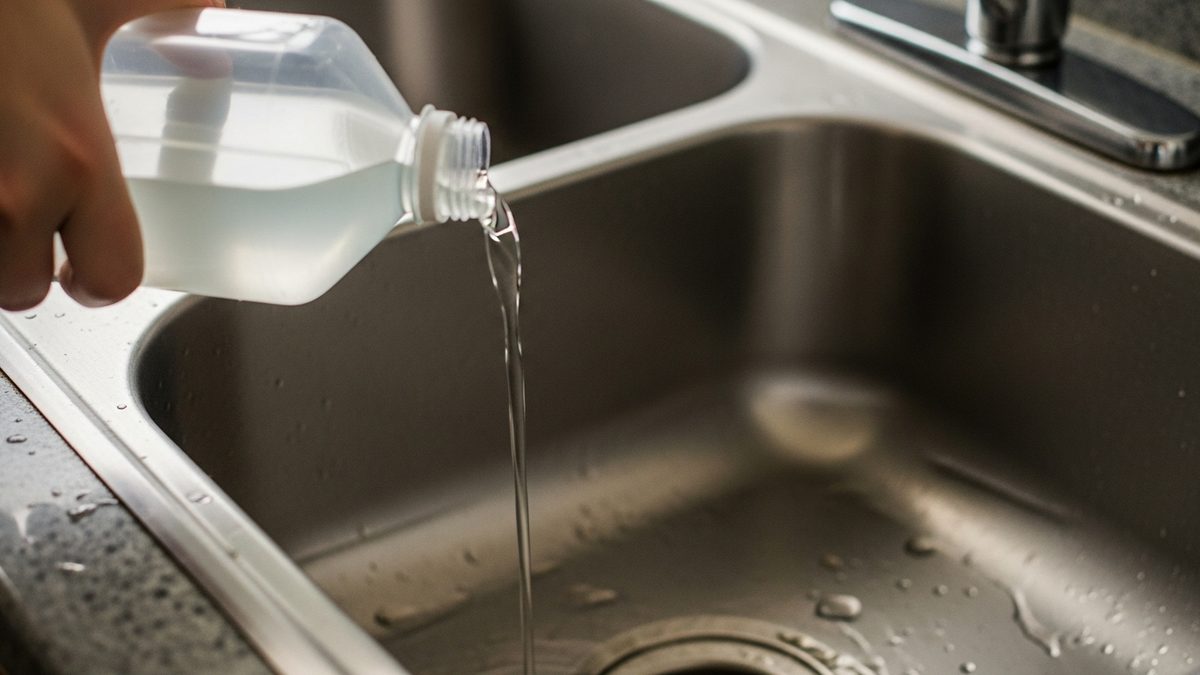
The bottle sits under almost every kitchen sink in America. Drain cleaner looks like a simple fix — pour it in, wait, done. But most plumbers will tell you they see more damage from chemical drain cleaners than from the clogs they were meant to solve. Understanding what these products actually do, and what they do to your pipes and your body, is worth a few minutes before you reach for the bottle.
How chemical drain cleaners work
Most consumer drain cleaners fall into one of two chemical families.
Caustic (alkaline) cleaners — brands like Drano and Liquid-Plumr — rely on sodium hydroxide (lye) or potassium hydroxide. These chemicals generate heat through a chemical reaction with water, which softens grease and breaks down organic material like hair and soap scum. Sodium hydroxide is one of the most aggressively corrosive alkalis in common consumer products. The reaction can raise water temperature in the pipe to well above 150°F.
Acid cleaners — typically sold to professional plumbers, though some consumer versions exist — use sulfuric acid or hydrochloric acid. They dissolve hair, paper, and organic matter faster than alkaline products and are more effective on mineral deposits. They are also significantly more dangerous to handle and cause severe chemical burns on contact.
There is a third category: enzymatic and bacterial drain cleaners, which use live bacteria or enzymes to digest organic waste over time. These are slow — they work best as a maintenance product, not a clog fix — but they are far gentler on pipes and completely safe to handle.
What chemical cleaners damage
PVC and ABS plastic pipes PVC and ABS are now the most common drain pipe materials in American homes. Sodium hydroxide reacts with these plastics and, with repeated use, causes them to soften and degrade. The heat generated by the reaction accelerates this process. PVC joints and glued fittings are especially vulnerable. A pipe that looks fine on the outside can be structurally weakened before it ever shows a visible crack.
Older metal pipes Homes built before the 1970s often have steel or brass drain lines and may still have cast-iron main drain stacks. Acid-based cleaners attack metal aggressively. Even alkaline cleaners will accelerate corrosion in aging galvanized steel pipes when used repeatedly. A pipe that is already corroded — and most pipes in a 50-year-old house are — degrades much faster with repeated chemical exposure.
Chrome and plated fixtures The caustic runoff from drain cleaner can etch and discolor chrome sink drains and polished brass fittings. This is cosmetic damage, but it happens faster than most homeowners expect.
Septic systems If your home uses a septic tank rather than a municipal sewer, chemical drain cleaners are particularly harmful. Septic systems depend on a living colony of bacteria to break down waste. Sodium hydroxide and acids both kill that bacterial colony. The EPA and most state environmental agencies advise against pouring any caustic chemical into a drain connected to a septic system. Enzymatic cleaners are the only chemical product generally considered safe for septic use.
P-traps and standing water situations Chemical cleaners are formulated to work in a partially clogged drain with some water flow. When a drain is completely stopped and the pipe is full of standing water, the chemical simply dilutes in the water column and pools at the clog. It generates heat in the trap, softens the pipe, and often does not reach or dissolve the actual blockage. Many homeowners then call a plumber who has to open a pipe full of concentrated chemical — a serious hazard for the technician.
The health and safety hazards
Skin and eye burns Sodium hydroxide causes deep chemical burns on contact with skin and can cause permanent eye damage or blindness from splashes. The National Poison Control Center handles thousands of calls each year involving household drain cleaner exposure. These products are among the most frequently reported causes of household chemical burns in adults and children. Keep them stored where children absolutely cannot reach them.
Inhalation hazards Both caustic and acid cleaners release fumes. Sodium hydroxide off-gasses in moist conditions. Sulfuric and hydrochloric acid cleaners release acidic vapors that irritate the lungs. Working in an enclosed bathroom with poor ventilation concentrates those fumes to levels that cause throat and lung irritation, and in very enclosed spaces, more serious respiratory effects. The National Institute for Occupational Safety and Health (NIOSH) warns specifically about confined-space chemical hazards in maintenance work involving drain cleaning chemicals.
Dangerous chemical mixing Pouring a second product into a drain that already contains drain cleaner can trigger violent chemical reactions. Mixing a caustic product with a bleach-based cleaner generates chlorine gas. Mixing alkaline and acid cleaners causes explosive exothermic reactions. If you try one product and it does not work, call a plumber rather than adding another chemical to the pipe.
Why plumbers discourage them
Professional plumbers see chemical drain cleaners as a short-term solution that creates long-term problems. Here is what they say consistently:
- Chemical cleaners rarely remove a clog completely. They may dissolve enough material to restore partial flow, but the residue remains and the clog rebuilds faster the second time.
- Repeated use weakens pipe walls, shortens the life of the drain system, and creates leaks that cost far more to repair than a single professional snaking.
- They are not effective at all against the most common serious drain problems: tree roots, hard mineral buildup, or a physically displaced pipe.
- A plumber arriving to a drain that was treated with chemicals faces a hazardous work environment. This can limit what the plumber is willing to do or add a surcharge to the service call.
Safer alternatives
For most household clogs, these options work as well as or better than chemical cleaners, without the risks.
Plunger: A cup plunger for sinks and a flange plunger for toilets can clear most fresh clogs through suction and pressure. Use vigorous, consistent strokes and make sure the plunger cup is fully sealed around the drain opening.
Drain snake or hand auger: A 15- to 25-foot hand snake reaches past the P-trap and into the drain line to physically break up or pull out the clog. This is the most effective DIY tool for hair clogs and soft blockages and causes zero chemical damage. Learn more techniques in our guide to how to unclog a drain.
Baking soda and boiling water: For a slow (not completely stopped) drain with grease buildup, pour half a cup of baking soda followed by boiling water. This loosens grease without any chemical hazard. Effective mainly for maintenance and mild slowdowns.
Enzymatic drain cleaner: For slow drains in a home with a septic system, a monthly dose of an enzyme-based product keeps organic buildup from accumulating. Not useful for an acute clog, but a good preventive measure.
Drain cleaning service: For a drain that nothing else fixes, a professional with a power auger or hydro-jet will clear the clog more completely than any consumer product and leave the pipe intact.
When to call a plumber
Call a licensed plumber if:
- The drain has been treated with chemical cleaner and is still stopped. Tell the plumber what product you used so they can take appropriate precautions.
- Multiple drains in the house are slow at the same time (this signals a main-line issue, not a local clog).
- The slow drain keeps returning within a few weeks. Recurring clogs usually mean there is a physical problem in the pipe that chemicals cannot fix.
- You smell sulfur or rotten eggs from the drain — this can indicate a venting problem or sewer gas, not a blockage a cleaner can address.
What it typically costs (2025–2026 estimates)
Hand-auger rental: $10–$30 per day at a hardware store, if you do not want to buy one.
Professional drain snaking: $100–$300 for a single fixture drain. Most plumbers include a guarantee that the drain will be clear.
Hydro-jetting: $300–$700 for a kitchen or bathroom line. Best when grease buildup is the recurring problem.
Drain cleaning chemicals (for reference): $8–$20 for a 32-ounce bottle at retail. The low cost is part of why people reach for them first — but factor in the long-term pipe damage risk, especially on older systems.
Common mistakes
Using drain cleaner on a completely stopped drain. The product needs some water flow to reach the clog. On a fully blocked drain, you are just pooling caustic chemical in the trap.
Mixing products. Never add a second chemical to a drain that already has one in it. The results can be violent.
Leaving the product in longer than directed. The instructions exist for a reason. Longer contact time does not mean better clog removal — it means more pipe exposure.
Using chemical cleaners on a septic system. This kills the bacterial colony your septic tank needs to function.
Assuming the clog is gone because flow improved. Partial improvement usually means partial dissolution. The rest of the clog is still there and will rebuild quickly.
How to prevent clogs in the first place
- Use a hair-catching drain screen in every shower and tub. Clean it weekly.
- Pour cooking grease into a jar or can and throw it in the trash.
- Run hot water for 30 seconds after washing oily dishes to help grease move through the trap.
- Flush drains with boiling water monthly to keep grease from accumulating on pipe walls.
- Have drain lines professionally cleaned every two to three years if your home has a history of slow drains.
FAQ
Are "natural" or "green" drain cleaners safer? Enzyme-based products labeled as natural are genuinely gentler on pipes and people. Products marketed as "natural" but still containing sodium hydroxide or strong acids are not meaningfully safer than conventional brands — check the ingredient list, not just the label.
Can one use of drain cleaner ruin my pipes? A single use is unlikely to cause visible damage to newer PVC pipe. The risk compounds with repeated use over months and years, particularly in older homes with aging pipe. Homes with cast-iron or galvanized steel drains are more vulnerable even to occasional use.
What do I do if drain cleaner splashes on my skin? Flush immediately with large amounts of cool running water for at least 20 minutes. Do not use soap during flushing. Call Poison Control (1-800-222-1222) for guidance. Seek emergency care if the splash involved the eyes or caused immediate pain and redness.
Are drain cleaners safe to use with a garbage disposal? Most manufacturers recommend against using caustic drain cleaners in a garbage disposal. The chemicals can corrode the disposal's metal components and are difficult to fully flush from the unit. A plunger or snake is the preferred approach for a disposal drain clog.
Is it okay to use drain cleaner in a toilet? Most consumer drain cleaners explicitly say not to use them in toilets. The chemicals can damage the porcelain glaze, crack the ceramic, and damage the wax ring seal at the base. Use a flange plunger or a toilet auger instead.
Get a free quote
If a chemical drain cleaner has not solved your clog — or if you want a professional to clear your drains safely without chemical risk — a licensed plumber can help. Get a free, no-obligation quote from a local professional today.
Sources
- https://www.epa.gov/saferchoice/safer-products
- https://www.epa.gov/septic/how-your-septic-system-works
- https://www.cdc.gov/niosh/topics/emres/chemagent.html
- https://www.poisoncontrol.org/poison-control-national-number/
- https://www.osha.gov/laws-regs/regulations/standardnumber/1910/1910.1200
- https://www.phccweb.org/tools-resources/technical-solutions/
- https://www.nfpa.org/codes-and-standards/all-codes-and-standards/list-of-codes-and-standards/detail?code=1
- https://www.cpsc.gov/Safety-Education/Safety-Education-Centers/Poisoning
Disclaimer
The information on this page is provided for general educational purposes only and is offered "as is" and "as available," without warranties of any kind, whether express or implied — including, without limitation, any warranties of accuracy, completeness, reliability, merchantability, or fitness for a particular purpose. It is not professional advice and is not a substitute for inspection, diagnosis, or repair by a licensed, qualified professional.
Home systems involving gas, electricity, water, refrigerant, fire, or structural components can be hazardous, and requirements vary by local code and jurisdiction. Any inspection, diagnosis, repair, installation, or other action referenced on this page should be performed by a licensed professional. You should not rely on this content to perform such work yourself. To the fullest extent permitted by law, [Company Name] and its owners, employees, and contributors assume no responsibility or liability for any injury, death, property damage, or other loss arising out of or in connection with the use of, or reliance on, this information.
If you smell gas or suspect a carbon monoxide leak, leave the area immediately and call 911 or your gas utility from a safe location.