Professional home services. Local pros.Get a free quote →
Seattle/Crawl Space Encapsulation

Crawl Space Encapsulation in Seattle, WA

Seattle homeowners face 160+ rain days per year averaging 38 inches that accelerates wear on exterior surfaces. Our local pros understand your area's specific challenges and deliver quality work on every job.

Serving Capitol Hill, Queen Anne, Bellevue, Kirkland, Redmond, and surrounding Seattle communities.
✓ Local Pros✓ Free Quotes✓ Professional Service✓ Serving Seattle

Why Seattle Homes Need Crawl Space Encapsulation

160+ rain days per year averaging 38 inches
Persistent overcast skies promoting moss and algae
Mild temperatures rarely below 25°F or above 85°F
Occasional ice storms causing widespread damage
Wildfire smoke in late summer from eastern WA fires
Common Home Types We Service
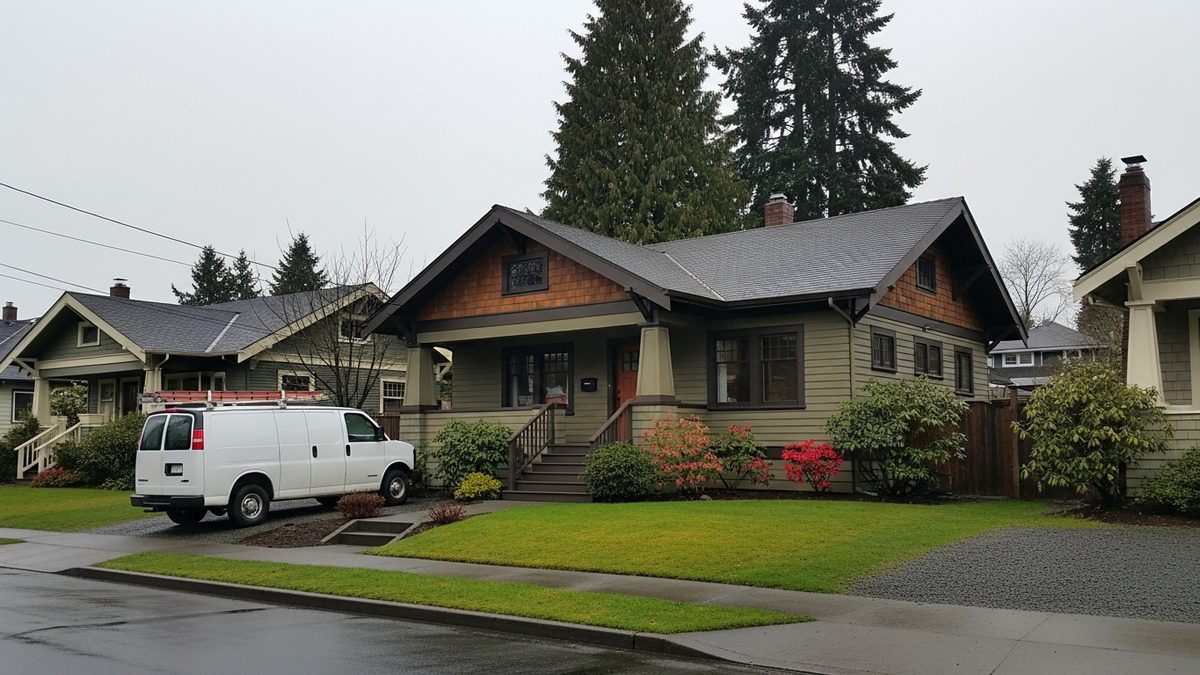
Craftsman bungalowsMid-century ranchesNorthwest contemporary homesCedar-sided homes (common)New construction townhomes

What You Get

Eliminates moisture and mold in the crawl space
Improves indoor air quality — 40% of air comes from below
Reduces heating and cooling costs
Deters rodents and pest access
Protects floor joists and insulation from rot
Increases home value and passes inspections

Our Crawl Space Encapsulation Process

01

Inspection & Assessment

We inspect the crawl space for existing moisture, mold, insulation condition, and structural issues to develop a complete encapsulation plan.

02

Preparation

Existing vapor barrier (if any) is removed, debris is cleared, existing insulation may be removed and replaced, and any mold is treated.

03

Liner Installation

A heavy-duty (20 mil+) polyethylene liner is installed across the floor and up the walls, sealed at seams and to the foundation walls with tape and adhesive.

04

Conditioning

A dehumidifier, conditioned air supply, or exhaust fan is installed depending on whether the space will be conditioned or ventilated.

Seasonal Considerations for Seattle

1
Year-round moss and algae on roofs and driveways
2
Gutter cleaning in fall from cedar and maple debris
3
Winter storm damage from windstorms
4
Spring soft washing after long rain season
5
Summer exterior painting window (July–Sept)

Areas We Serve in Seattle

Our crawl space encapsulation pros are available throughout the Seattle metro area, including:

Capitol HillQueen AnneBellevueKirklandRedmondSammamishIssaquahMercer IslandRentonBothell

Crawl Space Encapsulation FAQ for Seattle Homeowners

How often should Seattle homeowners get crawl space encapsulation?
Given Seattle's 160+ rain days per year averaging 38 inches, most homeowners benefit from crawl space encapsulation at least once a year. Year-round moss and algae on roofs and driveways often makes spring or fall the optimal time to schedule service.
What home types in Seattle most need crawl space encapsulation?
Craftsman bungalows and Mid-century ranches are the most common home types in Seattle and typically see the most wear. Our local pros are familiar with the exterior materials found across the metro.
Why does it matter if my crawl space is damp?
Up to 40% of the air in your living space migrates up from below. Moisture and mold in the crawl space directly affects your indoor air quality, energy efficiency, and the structural integrity of floor joists.
What's the difference between a vapor barrier and full encapsulation?
A vapor barrier is just a ground cover liner. Full encapsulation covers all surfaces (floor, walls, piers) with a heavy-duty liner, seals all penetrations, and controls the humidity with a dehumidifier.
How long does encapsulation last?
A properly installed 20-mil liner lasts 20–30+ years. The dehumidifier needs periodic maintenance and eventual replacement. The system as a whole requires minimal ongoing attention.
Will encapsulation fix my musty basement smell?
If the smell is coming from the crawl space, yes. Encapsulation and humidity control eliminate the mold and moisture causing musty odors that migrate upward.

Book Crawl Space Encapsulation in Seattle

Get a free quote from a local pro. We serve Capitol Hill, Queen Anne, Bellevue, and all surrounding Seattle communities.