Professional home services. Local pros.Get a free quote →
Charleston/Masonry & Brick Repair

Masonry & Brick Repair in Charleston, SC

Charleston homeowners face hot, humid subtropical climate averaging 90°f in summer with high dewpoints that accelerates wear on exterior surfaces. Our local pros understand your area's specific challenges and deliver quality work on every job.

Serving Mount Pleasant, Summerville, Goose Creek, North Charleston, Hanahan, and surrounding Charleston communities.
✓ Local Pros✓ Free Quotes✓ Professional Service✓ Serving Charleston

Why Charleston Homes Need Masonry & Brick Repair

Hot, humid subtropical climate averaging 90°F in summer with high dewpoints
Direct hurricane exposure on the Atlantic coast (Hugo 1989, Dorian 2019 near-misses)
Tidal flooding increasing in frequency due to sea level rise
Annual rainfall of 51 inches including tropical rainfall events
Salt air from Charleston Harbor and Atlantic Ocean corrosion year-round
Common Home Types We Service
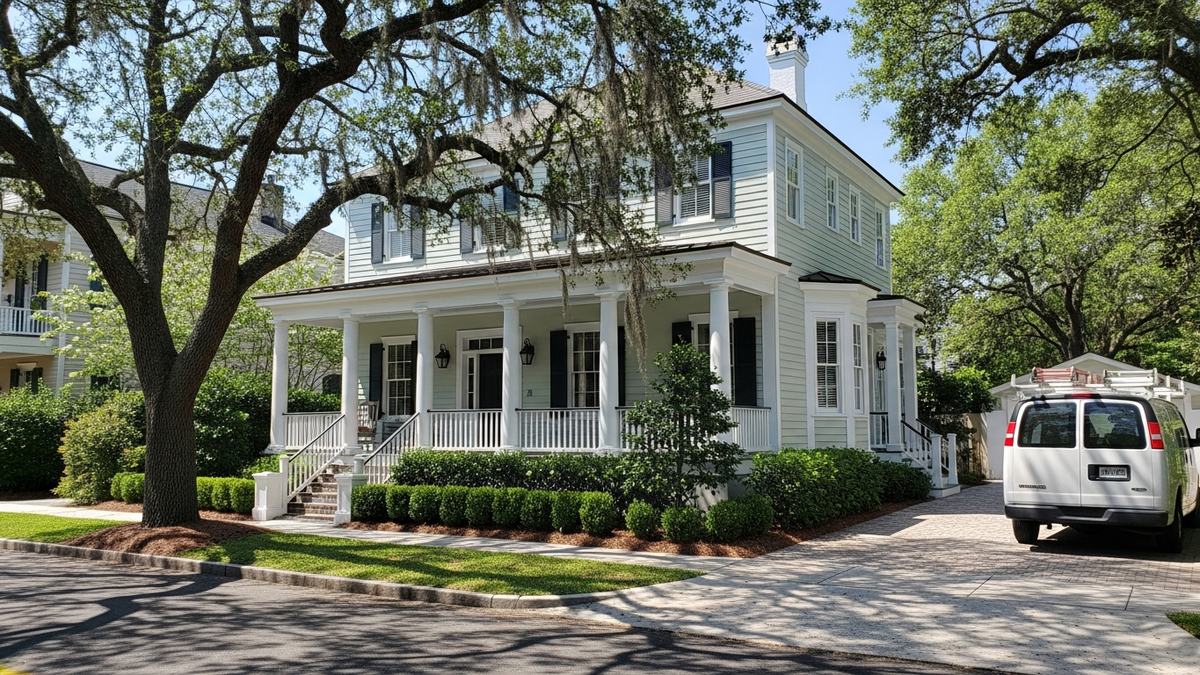
Single and double-pile Charleston single house style (architectural signature)Antebellum mansions on the Charleston PeninsulaLowcountry cottages on elevated piers throughout coastal communitiesNew construction in Mount Pleasant, Summerville, and Goose CreekBeach cottages on Sullivan's Island and Isle of Palms

What You Get

Tuck-pointing and repointing of deteriorated mortar
Brick replacement for spalled or damaged units
Chimney crown and cap repair
Stone and block wall repair
Waterproof sealing of masonry surfaces
Structural block and brick work

Our Masonry & Brick Repair Process

01

Assessment

We inspect mortar joint condition, brick/block integrity, and moisture infiltration patterns to determine the full repair scope.

02

Joint Preparation

Deteriorated mortar is removed to a depth of 3/4 inch using grinders or chisels, careful not to damage brick faces.

03

Repointing

New mortar matching the original profile, color, and hardness is packed into joints and tooled to match the original style.

04

Sealing

Masonry sealer is applied to completed repairs and surrounding areas to prevent future water infiltration.

Seasonal Considerations for Charleston

1
Year-round termite monitoring (one of the worst cities in the US for termites)
2
Hurricane prep and post-storm cleanup (June–November)
3
Tidal flooding management in lower peninsula and coastal areas
4
Summer mold on antebellum wood and masonry from humidity
5
Salt air cleaning on Harbor-facing and oceanfront properties

Areas We Serve in Charleston

Our masonry & brick repair pros are available throughout the Charleston metro area, including:

Mount PleasantSummervilleGoose CreekNorth CharlestonHanahanJames IslandJohns IslandDaniel IslandMoncks CornerLadson

Masonry & Brick Repair FAQ for Charleston Homeowners

How often should Charleston homeowners get masonry & brick repair?
Given Charleston's hot, humid subtropical climate averaging 90°f in summer with high dewpoints, most homeowners benefit from masonry & brick repair at least once a year. Year-round termite monitoring (one of the worst cities in the US for termites) often makes spring or fall the optimal time to schedule service.
What home types in Charleston most need masonry & brick repair?
Single and double-pile Charleston single house style (architectural signature) and Antebellum mansions on the Charleston Peninsula are the most common home types in Charleston and typically see the most wear. Our local pros are familiar with the exterior materials found across the metro.
What is tuck-pointing?
Tuck-pointing (repointing) removes deteriorated mortar from between bricks and replaces it with fresh mortar. It's critical maintenance — deteriorated mortar allows water infiltration that destroys masonry from within.
How do I know if my mortar needs repointing?
Crumbling, hollow-sounding, recessed, or missing mortar joints indicate repointing is needed. You can scrape deteriorated mortar with a key or screwdriver — if it comes out easily, it needs attention.
Can any mortar be used for repointing?
Mortar hardness must match the masonry. Using Portland cement mortar (Type S) on soft historic brick is a common mistake that causes the brick faces to spall. Lime-based mortars are required for pre-1930 brick.
How long does tuck-pointing last?
Quality repointing with the correct mortar mix lasts 25–30 years. The original brick should outlast multiple rounds of repointing.

Book Masonry & Brick Repair in Charleston

Get a free quote from a local pro. We serve Mount Pleasant, Summerville, Goose Creek, and all surrounding Charleston communities.