Signs of Termites in Your Home: How to Spot Damage Before It Gets Costly
Termites are quiet workers. They rarely show themselves, and most homeowners don't realize there's a problem until they notice damage — sometimes years after a colony moved in. Knowing what to look for can save you from a very expensive surprise. Here's a plain-language guide to identifying termite activity, understanding what you're dealing with, and knowing when to bring in a professional.
Signs of Termites
Not every clue carries equal weight. Here are the most telling signs, ranked from most to least definitive.
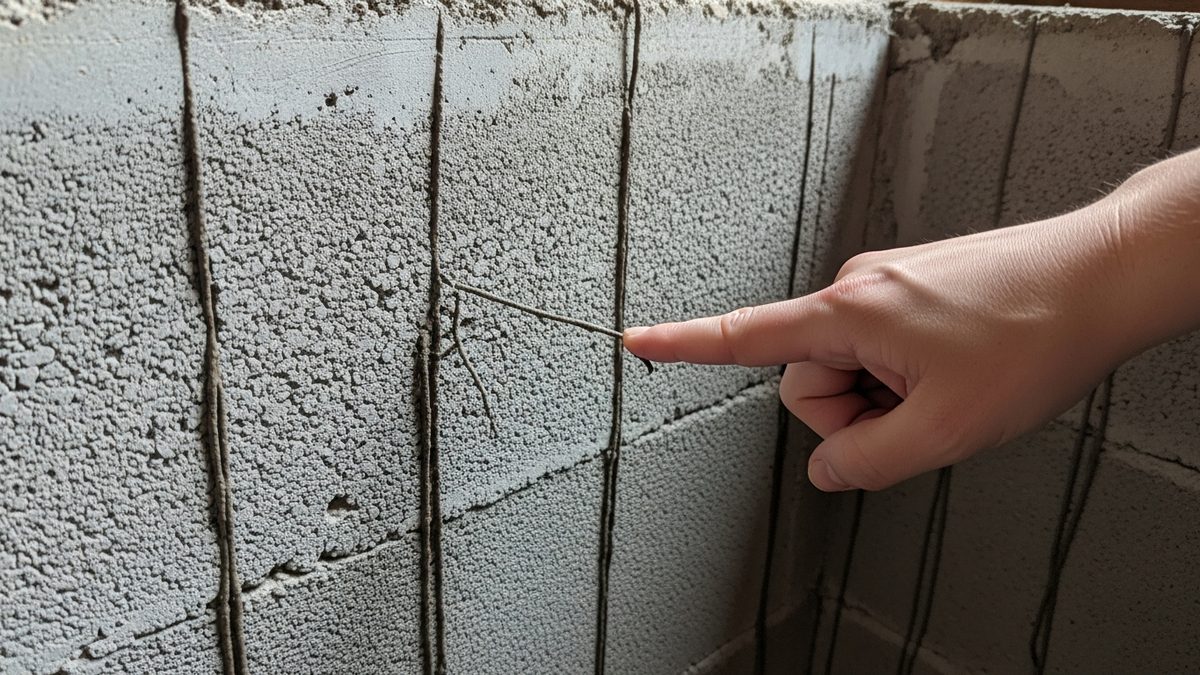
1. Mud tubes on your foundation These pencil-thin tunnels made of soil and chewed wood are the clearest sign of subterranean termites. You'll find them running along foundation walls, concrete piers, crawlspace beams, or even up the outside of a fence post touching your house. If you break off a small piece of the tube and come back in a day or two to find it rebuilt — or if you spot live termites inside — you almost certainly have an active infestation.
2. Swarmers or discarded wings Termite swarmers are the winged adults that leave the colony to start new ones. Finding them inside your home, or spotting piles of their shed wings on windowsills or near doors, strongly suggests a mature colony is already in or around the structure. This is a big red flag that should not be ignored.
3. Frass (drywood termite droppings) Drywood termites push their waste out of tiny holes in the wood they're eating. The result is a neat pile of tiny, six-sided pellets — often described as looking like coffee grounds or coarse sand — showing up on shelves, floors, or windowsills beneath infested wood. Subterranean termites don't leave this kind of frass; they pack mud into their tunnels instead. If you see those small pellet piles, drywood termites are the most likely culprit.
4. Hollow or crumbling wood Termites eat wood from the inside out, leaving only a thin outer shell. Tap a suspicious beam, floor joist, or baseboard with your knuckles or a screwdriver handle. If it sounds hollow or feels spongy, that's a problem. When you push a screwdriver tip firmly into the wood and it sinks in easily or the surface crumbles, termite galleries are likely inside.
5. Bubbling, blistered, or peeling paint When subterranean termites tunnel through wall studs, they bring soil moisture with them. That moisture can bubble paint or cause drywall to look warped or discolored. If there's no leaky pipe to explain the blistering, suspect termites.
6. Stuck or warped doors and windows Wood swelling from termite moisture damage can make doors and window frames suddenly stiff or hard to open. On its own, this clue is easy to explain away. But if you notice it alongside any of the signs above, treat it as another piece of the puzzle.
Types of Termites in the US
Three groups are responsible for most termite damage in the country, and where you live affects which one you're most likely to encounter.
Subterranean termites are the most widespread species and the most destructive. They need contact with soil to survive and are found in every US state except Alaska. Because they're so common in the humid East, Midwest, and Pacific regions, the mud tubes described above are the classic sign to watch for.
Drywood termites skip the soil entirely — they live inside the dry wood they eat, which means they can thrive in furniture, framing, and trim without any connection to the ground. They're concentrated in the warm, drier parts of the country: the Gulf Coast, southern California, Arizona, and similar climates. Their calling card is that distinctive pellet frass.
Formosan termites are an invasive species closely related to subterranean termites but considerably more aggressive. Their colonies are far larger, they build distinctive above-ground nests called carton nests, and they can cause damage faster than native species. They're most common in coastal areas of the Southeast — especially Louisiana, Florida, Texas, South Carolina — and Hawaii. Their signs (mud tubes, damaged wood) look similar to native subterranean species, but infestations tend to be more severe.
The bottom line on regions: mud tubes in the Northeast or Midwest almost always mean native subterranean termites; pellet frass in a dry southwestern climate points to drywood termites; and heavy activity in the deep South deserves extra attention given the Formosan risk.
Termites vs. Look-Alikes
Not every winged insect or sawdust pile means termites. Here's how to tell the difference.
Flying ants vs. termite swarmers: Both can appear indoors in large numbers, but they're easy to tell apart. Termites have straight, bead-like antennae, a thick waist, and two pairs of wings that are equal in length and nearly the same shape. Flying ants have elbowed antennae, a pinched waist, and hind wings that are noticeably shorter than the front pair. When in doubt, capture one and look closely — or save it for a pest professional to identify.
Carpenter ants vs. termites: Carpenter ants tunnel through wood to nest, but they don't eat it. They push coarse, chunky wood shavings out of their galleries — it looks like rough sawdust and may contain insect parts. Termite damage, by contrast, leaves tunnels packed with mud (subterranean species) or nothing at all other than smooth internal channels. No mud, no frass pellets, but coarse sawdust near small openings? More likely carpenter ants.
Powderpost beetles vs. drywood termites: Powderpost beetles bore through wood and leave behind a very fine, talcum-powder-like dust along with tiny round exit holes in the wood's surface. Drywood termite frass consists of slightly larger, hardened pellets and there are no round exit holes — just small push-out pores. Fine silky powder under little pinholes suggests beetles; a pile of six-sided pellets suggests drywood termites.
How to Inspect Your Home
A careful walk-through doesn't require any special equipment — just a flashlight and a flat-head screwdriver.
Foundation and exterior perimeter: Start outside and walk the entire foundation. Look for mud tubes running up concrete, brick, or wood surfaces within a few feet of the ground. Check where utility lines enter the house, since termites use those gaps. Move any firewood, mulch, or lumber piled against the house — these are an open invitation.
Crawlspace and basement: This is where subterranean termites do some of their most common early damage. Inspect the sill plates, floor joists, and any wood post that touches or sits near soil. Look for mud tubes along beams, blistered paint on wood surfaces, and discoloration. The screwdriver test is especially useful here: probe any area that looks soft, stained, or suspicious.
Interior — first floor, trim, and walls: Check baseboards, door and window trim, and the area under sinks or near any plumbing. Look for small pinholes in walls or woodwork, pellet piles in corners, or paint that looks wavy or raised without an obvious water-leak explanation. Scan windowsills for shed wings.
Decks, sheds, and landscaping: Wood structures that touch soil are vulnerable. Check fence posts, deck footings, and outbuilding sills for mud tubes or soft spots. Tree stumps and large pieces of dead wood near the house can harbor colonies that eventually migrate to the structure.
What your findings mean:
- Mud tube present → probable active subterranean infestation; get a professional assessment
- Hollow or crumbling wood on probe → likely termite galleries; confirm with a pro
- Swarmers or shed wings indoors → mature colony in or very near your home
- Pellet frass → drywood termite colony in that section of wood
- Blistered paint without a water source → suspect subterranean activity behind the surface
Why This Matters
Termites cause billions of dollars in structural damage across the US every year. According to the EPA, property owners spend over two billion dollars annually on treatments and repairs alone. Termites feed continuously around the clock, and a well-established colony can work inside a home's framing for years without visible signs on the surface. By the time obvious damage appears, the structural impact may already be significant.
One of the most important things to understand: standard homeowners insurance policies do not cover termite damage or the cost of treatment. The National Association of Insurance Commissioners confirms that infestations are generally classified as a preventable maintenance issue and are specifically excluded from typical homeowner policies. If termites compromise floor joists, beams, or structural framing, every dollar of repair comes out of pocket.
Early detection is the most effective money-saver. Catching an infestation before it spreads to major structural members is far less expensive than replacing load-bearing wood after years of unnoticed damage.
When to Call a Pro
If any inspection step turns up a confirmed sign — a live termite, a freshly repaired mud tube, pellet frass, hollow structural wood — it's time to contact a licensed pest control professional. Surface sprays and hardware store baits don't reach the colony and rarely work. The EPA notes that termiticide applications generally can only be done effectively by a trained and licensed pest management professional.
Here's what professional treatment looks like, depending on the termite type:
- Subterranean termites: The most common approach is a liquid soil barrier — the pro trenches or drills around the foundation and treats the soil to block entry — or the installation of in-ground bait stations that foraging termites carry back to the colony.
- Drywood termites: Localized infestations may be treated with targeted injection of insecticide directly into galleries. For whole-house or severe infestations, fumigation (tenting the home and introducing a gas treatment) is often the only option that reaches termites inside walls throughout the entire structure. Both methods require licensed contractors.
Reputable companies should provide a clear treatment plan, a written warranty or service contract, and documentation of what was applied and where.
What It Typically Costs
Costs vary by region, home size, infestation severity, and treatment method. These are general 2025–2026 ranges:
| Service | Typical Range |
|---|---|
| Professional inspection | $75 – $325 (many companies offer free inspections) |
| Basic treatment (liquid barrier or bait, typical home) | $230 – $1,000 |
| Severe infestation / whole-house fumigation | $1,500 – $8,000 |
Getting two or three quotes is always worthwhile. Ask each company to specify the treatment method, what's covered by any warranty, and how long the protection lasts. A lower upfront quote that lacks a multi-year guarantee may end up costing more in the long run.
How to Prevent Termites
You can significantly reduce your home's risk with a few consistent habits:
- Keep wood off the ground. Maintain at least 18 inches between soil and any wood siding, trim, or structural member. Set wooden posts on concrete piers or metal standoffs.
- Manage moisture. Grade soil so water drains away from the foundation. Keep gutters and downspouts clear. In crawlspaces, use vents or a dehumidifier to keep wood dry. Fix any roof or plumbing leaks promptly.
- Remove wood debris. Clear stumps, scrap lumber, and old roots from around the house. Replace rotted exterior wood as you find it.
- Store firewood away from the house. Keep it stacked on a rack, elevated off the ground, and at least 20 feet from the foundation.
- In new construction, use barriers. Concrete foundations with no wood-to-soil contact, treated lumber, metal flashing under sill plates, and physical sand or mesh barriers can all help prevent subterranean termites from getting in.
- Inspect regularly. Even without visible signs, a professional inspection every one to two years — annually in high-risk climates — is one of the most cost-effective things you can do to protect your home's value.
FAQ
Q: What do mud tubes on my foundation mean?
A: Mud tubes are pencil-width tunnels of dried mud that subterranean termites build to travel between the soil and your home's wood while staying protected. Finding them on a foundation wall, crawl space pier, or basement wall is one of the clearest signs of an active or recent termite colony. If you break a small section open and it is rebuilt within a few days, or you see pale soft-bodied termites inside, the colony is active. Either way, mud tubes warrant a professional inspection right away.
Q: I found small piles of light-colored pellets under my hardwood flooring. Is that termite droppings?
A: Very likely yes. Those tiny six-sided pellets are the characteristic droppings of drywood termites. They live inside dry wood and push their waste out through small openings. By contrast, carpenter ants leave coarser wood shavings, and powderpost beetles leave a fine talcum-like dust. Pellet piles are a strong indicator that a drywood colony is active in that section of your home.
Q: When I tap a floor joist with a screwdriver, it sounds hollow. Should I be worried?
A: Yes, take it seriously. Termites eat from the inside out, so severely damaged wood can sound hollow while the outer surface looks normal. Wood that crumbles under light pressure, or where the screwdriver tip sinks in easily, almost certainly contains termite galleries. Have a professional inspect that area to determine the extent of the damage.
Q: I saw a swarm of winged insects in my yard. Does that mean my house is infested?
A: Not necessarily, but it's worth paying attention. Swarmers outdoors often come from colonies in nearby dead trees or stumps. However, if swarmers appear indoors — or you find piles of shed wings on your windowsills — that almost always means a colony is already established in or under your home. An indoor swarm should prompt a professional inspection right away.
Q: Can I treat termites myself with store-bought products?
A: Generally, no — not effectively. Consumer sprays and baits rarely reach the full colony, so they may knock down a few foragers without solving the problem. Effective treatment, whether a soil barrier, bait system, or fumigation, requires professional equipment, licensed products, and access to areas of the structure that aren't easily reached on a DIY basis. If termites are confirmed, hire a licensed exterminator.
Q: How often should I schedule a professional termite inspection?
A: Once every one to two years is a common recommendation. In warm, humid areas of the country — particularly the South, Gulf Coast, and Hawaii — annual inspections are strongly advised. In cooler northern climates, every two to three years may be sufficient. If you recently had treatment, your pest company will typically schedule follow-up visits as part of the service contract.
Q: Does homeowners insurance cover termite damage?
A: No, in almost all cases it does not. Standard homeowners policies exclude damage caused by infestations, which insurers classify as a preventable maintenance issue. The National Association of Insurance Commissioners specifically lists termites among the infestations "not typically covered." This makes early detection and prevention especially important — repair costs come entirely out of pocket.
Get a Free Quote from a Vetted Pro Near You
If any of the signs above sound familiar — or if it's simply been a while since your last professional inspection — the smartest next step is to get a licensed termite professional to take a look. Local Service Group connects homeowners with vetted pest control pros in your area. There's no obligation and no cost to request a quote. The earlier an issue is caught, the less it costs to resolve.
Get a free termite inspection quote from a local pro today.
Sources
- U.S. Environmental Protection Agency — "Termites: How to Identify and Control Them": https://www.epa.gov/safepestcontrol/termites-how-identify-and-control-them
- National Association of Insurance Commissioners — Homeowners Insurance Consumer Guide (termite exclusions confirmed): https://content.naic.org/consumer/homeowners-insurance.htm
- National Invasive Species Information Center — Formosan Subterranean Termite: https://www.invasivespeciesinfo.gov/terrestrial/invertebrates/formosan-subterranean-termite
- University of Maryland Extension — Native Subterranean Termites: https://extension.umd.edu/resource/termites
- UC IPM (University of California Integrated Pest Management Program) — Drywood Termites Pest Note: https://ipm.ucanr.edu/home-and-landscape/drywood-termites
- Louisiana State University AgCenter — Formosan Subterranean Termites: https://www.lsuagcenter.com/topics/environment/insects/termites/formosan_termites
Disclaimer
The information on this page is provided for general educational purposes only and is offered "as is" and "as available," without warranties of any kind, whether express or implied — including, without limitation, any warranties of accuracy, completeness, reliability, merchantability, or fitness for a particular purpose. It is not professional advice and is not a substitute for inspection, diagnosis, or repair by a licensed, qualified professional.
Home systems involving gas, electricity, water, refrigerant, fire, or structural components can be hazardous, and requirements vary by local code and jurisdiction. Any inspection, diagnosis, repair, installation, or other action referenced on this page should be performed by a licensed professional. You should not rely on this content to perform such work yourself. To the fullest extent permitted by law, [Company Name] and its owners, employees, and contributors assume no responsibility or liability for any injury, death, property damage, or other loss arising out of or in connection with the use of, or reliance on, this information.
If you smell gas or suspect a carbon monoxide leak, leave the area immediately and call 911 or your gas utility from a safe location.