Mini-Split Not Cooling or Leaking Water? Troubleshooting Guide
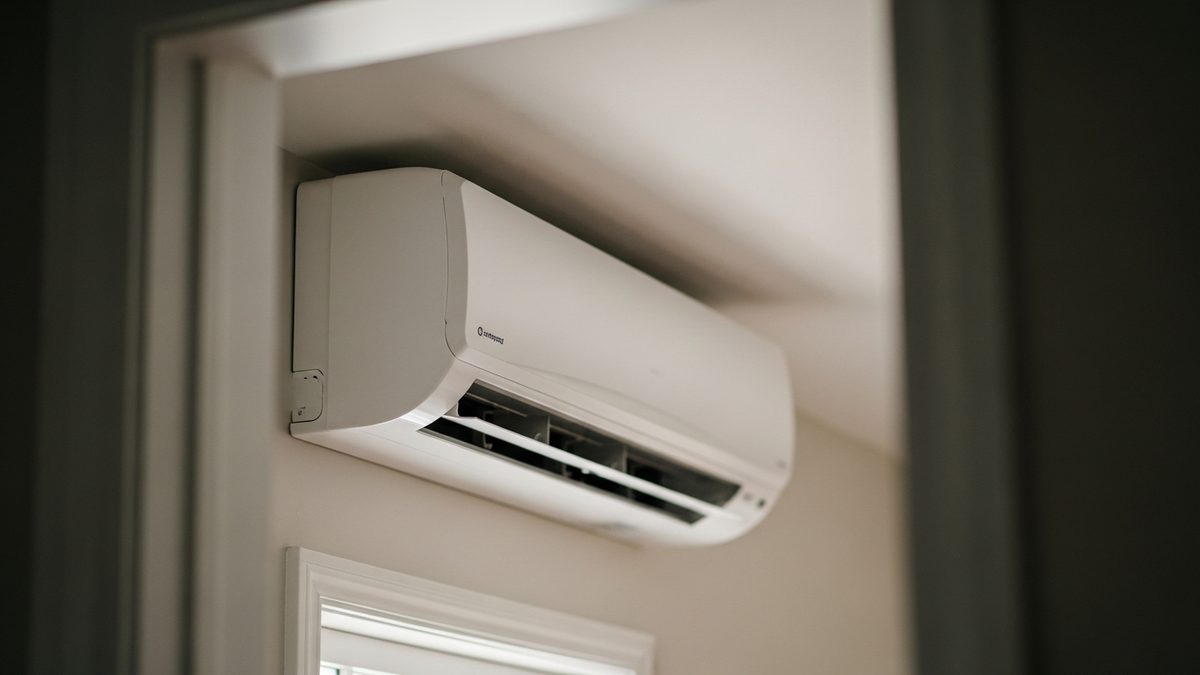
Mini-splits are reliable systems, but when one stops cooling — or worse, starts dripping water onto your floor or furniture — it gets your attention fast. The good news is that the most common causes are straightforward, and several of them you can fix yourself in under an hour. This guide covers the most likely reasons your mini-split is not cooling or is leaking water, what to check first, and when to bring in a licensed technician.
Most Likely Causes
1. Dirty air filters (most common cause of poor cooling)
Mini-split indoor units have washable mesh filters that sit directly behind the front panel. When these filters get clogged with dust, pet hair, and debris, airflow across the evaporator coil drops sharply. The coil cannot absorb heat efficiently, cooling output drops, and in severe cases the coil can freeze over entirely — which will also cause water to drip when the ice melts.
Most manufacturers, including Mitsubishi, Daikin, and LG, recommend cleaning mini-split filters every two weeks in heavy-use periods and at least once a month otherwise. If you have not cleaned yours in months, this is almost certainly part of the problem.
To clean them: Turn the unit off, lift the front panel (most panels hinge upward), slide out the mesh filters, rinse them under warm water, let them dry completely, and reinstall. Do not run the unit with wet filters.
2. Wrong mode or temperature setting on the remote
Mini-split remotes have multiple operating modes: COOL, HEAT, AUTO, DRY, and FAN ONLY. If the unit is set to FAN ONLY or DRY mode, it will move air but will not cool. If it is set to HEAT when you want cooling, it will actively warm the room.
Also check:
- Is the set temperature lower than the current room temperature? The unit will not cool if the room is already at or below the target temp.
- Is the fan speed set to a very low setting that limits airflow?
- Does the remote have fresh batteries? A weak battery signal can result in the unit not receiving mode changes.
3. Clogged condensate drain (the most common cause of water leaks)
Mini-split indoor units remove humidity from the air, and that water collects in a condensate pan and drains through a plastic line to the outside or to a drain. When algae, mold, slime, or debris partially blocks this drain line, water backs up in the pan and eventually overflows — dripping from the unit onto walls, furniture, or the floor below.
Signs of a clogged drain: water dripping from the front or bottom of the indoor unit, a musty odor from the unit, or visible staining on the wall below the unit.
To address this: Some mini-split models have an accessible drain port at the end of the unit. Pouring a small amount of diluted white vinegar (one part vinegar, one part water) into the drain port can break up mild algae clogs. For persistent clogs or units without easy drain access, a technician can use a wet/dry vacuum to clear the line from the outside.
4. Dirty evaporator coil
The evaporator coil sits behind the filters. Even with clean filters, over several years the coil itself accumulates a thin film of dust, mold, and oils from household air. A dirty coil reduces heat transfer and cooling capacity and contributes to drain clogs (because debris washes off the coil into the condensate pan).
Coil cleaning is typically a technician job — it requires removing the unit's cover and applying a coil cleaner foam, then flushing it. A coil cleaning is usually included in or available as an add-on to an annual maintenance visit.
5. Low refrigerant
Like any air conditioning system, a mini-split uses refrigerant to transfer heat. Refrigerant does not get used up under normal operation, but it can leak out through a damaged or deteriorated connection. Signs of low refrigerant:
- The unit runs continuously but never reaches the set temperature
- Ice forms on the refrigerant lines (the copper tubing connecting indoor and outdoor units)
- The outdoor unit is running but cooling is dramatically reduced
Low refrigerant must be addressed by an EPA Section 608 certified HVAC technician. The leak must be found and repaired before recharging — simply adding refrigerant without fixing the leak is a temporary fix that will fail again and may be illegal under EPA regulations governing refrigerant handling.
6. Outdoor unit is obstructed or too dirty
The outdoor condenser unit needs clear airflow to reject the heat it pulls from your home. Vegetation, debris, or dirt packed into the condenser fins will reduce efficiency significantly. Make sure there is at least 18–24 inches of clearance around the outdoor unit on all sides, and inspect the fins for visible dirt or debris.
You can gently rinse the outdoor unit fins from the inside out with a garden hose on low pressure (not a pressure washer). Turn the power to the unit off at the disconnect box first.
Troubleshoot It Yourself (Safely)
Work through these checks before calling anyone:
- Clean the filters. Remove, rinse, dry, reinstall. This alone fixes a meaningful percentage of "not cooling" complaints.
- Confirm the remote settings. Mode must be COOL, set temperature must be lower than room temperature, fan speed should be at MEDIUM or HIGH.
- Check the outdoor unit. Is the fan spinning? Is the unit surrounded by vegetation or debris? Clear any obstructions.
- Inspect the refrigerant lines. Look for frost or ice on the copper lines running between indoor and outdoor units — this signals low refrigerant or severely restricted airflow.
- Check the indoor unit for dripping water and look at the condensate drain outlet (usually a small pipe exiting through the wall near the outdoor unit) to see if water is flowing out during operation.
- Check for error codes. Most mini-splits blink a LED code when a fault is detected. Count the blinks and compare to your owner's manual.
Safety First
Mini-splits run on electricity — typically 240V for the outdoor unit. Key safety rules:
- Never attempt to open the outdoor unit or indoor unit refrigerant connections yourself. Pressurized refrigerant can cause severe cold burns.
- Turn power off at the disconnect box before rinsing the outdoor condenser or cleaning inside the indoor unit housing.
- Do not run the unit with the filters missing. Running without filters allows dust to coat the evaporator coil directly, causing rapid fouling and reduced efficiency.
- If the unit is leaking water near electrical components, turn it off until the drain is cleared. Water and wiring do not mix.
When to Call a Licensed Pro
Call a licensed HVAC technician when:
- The unit runs but produces no noticeable cooling even after cleaning the filters and checking the settings
- You see frost or ice on the refrigerant lines or outdoor unit
- Water is leaking and does not stop after flushing the condensate drain
- The unit is producing error codes related to refrigerant pressure or compressor faults
- You hear unusual grinding, hissing, or gurgling sounds from either unit
- The unit has not been professionally serviced in more than two years
What It Typically Costs
| Service | Typical Cost (2025–2026) |
|---|---|
| Filter cleaning (DIY) | Free |
| Professional cleaning + tune-up | $100–$200 |
| Condensate drain clearing | $75–$175 |
| Refrigerant leak search | $100–$250 |
| Refrigerant recharge (after repair) | $200–$600+ |
| Evaporator coil cleaning | $100–$200 |
| Reversing valve replacement | $300–$700 |
| New mini-split installation (single zone) | $1,500–$4,000+ installed |
Common Mistakes
- Not cleaning the filters regularly. Most manufacturers call for filter cleaning every 2–4 weeks in active use. Many homeowners have never cleaned them.
- Ignoring a water leak. Even small leaks signal a blocked drain that will get worse and can cause mold inside the wall or ceiling.
- Running the unit on FAN ONLY and wondering why it is not cooling. Always verify the mode on the remote.
- Pointing a pressure washer at the outdoor unit. High pressure bends the thin aluminum fins, reducing airflow and efficiency permanently.
- Adding refrigerant without fixing the leak first. The refrigerant will leak out again, and handling refrigerant without EPA certification is a federal violation.
How to Prevent Problems
- Clean filters monthly (or every two weeks during heavy use periods).
- Flush the condensate drain twice a year with diluted white vinegar.
- Keep the outdoor unit clear of vegetation, mulch, and debris year-round.
- Schedule annual professional maintenance. The DOE recommends yearly service for heat pump systems, including mini-splits, to verify refrigerant charge, clean coils, and check electrical connections. The energy difference between a well-maintained and neglected heat pump can be 10–25%, per the National Renewable Energy Laboratory.
- Run the unit in DRY or FAN mode periodically during humid periods to help keep the condensate components clear.
FAQ
Why is my mini-split running but not cooling the room? The most common reasons are dirty filters, wrong mode setting, low refrigerant, or a dirty evaporator coil. Start with filters and remote settings before calling a technician.
Is it normal for a mini-split to drip a little water outside? Yes — a small amount of water dripping from the outdoor unit's condensate outlet is normal during cooling operation. Water dripping from the indoor unit onto your walls or floor is not normal and signals a clogged drain.
How often should mini-split filters be cleaned? Most manufacturers recommend every 2–4 weeks during active use. Check your specific model's manual — some models have a filter-cleaning reminder function built into the display.
Can I use my mini-split in heating and cooling modes without switching anything? In AUTO mode, the unit switches between heating and cooling automatically to maintain the set temperature. This is convenient but can cause confusion if the set temperature does not match what you expect.
My mini-split has an error code blinking on the unit — what do I do? Check the owner's manual for the blink code meaning. Most codes point to a specific sensor, pressure reading, or component fault. Write down the code before calling a technician — it speeds up diagnosis significantly.
Ready to Get a Free Quote?
A licensed HVAC technician can clean, diagnose, and service your mini-split quickly. Use our free quote tool to find certified pros near you.
Sources
- U.S. Department of Energy — Ductless Minisplit Heat Pumps: https://www.energy.gov/energysaver/ductless-minisplit-heat-pumps
- U.S. Department of Energy — Operating and Maintaining Your Heat Pump: https://www.energy.gov/energysaver/operating-and-maintaining-your-heat-pump
- ENERGY STAR — Certified Ductless Heating and Cooling: https://www.energystar.gov/products/ductless_heating_cooling
- U.S. EPA — Section 608 Refrigerant Management: https://www.epa.gov/section608
Disclaimer
The information on this page is provided for general educational purposes only and is offered "as is" and "as available," without warranties of any kind, whether express or implied — including, without limitation, any warranties of accuracy, completeness, reliability, merchantability, or fitness for a particular purpose. It is not professional advice and is not a substitute for inspection, diagnosis, or repair by a licensed, qualified professional.
Home systems involving gas, electricity, water, refrigerant, fire, or structural components can be hazardous, and requirements vary by local code and jurisdiction. Any inspection, diagnosis, repair, installation, or other action referenced on this page should be performed by a licensed professional. You should not rely on this content to perform such work yourself. To the fullest extent permitted by law, [Company Name] and its owners, employees, and contributors assume no responsibility or liability for any injury, death, property damage, or other loss arising out of or in connection with the use of, or reliance on, this information.
If you smell gas or suspect a carbon monoxide leak, leave the area immediately and call 911 or your gas utility from a safe location.