My Furnace Won't Turn On and There's No Heat — What's Going On?
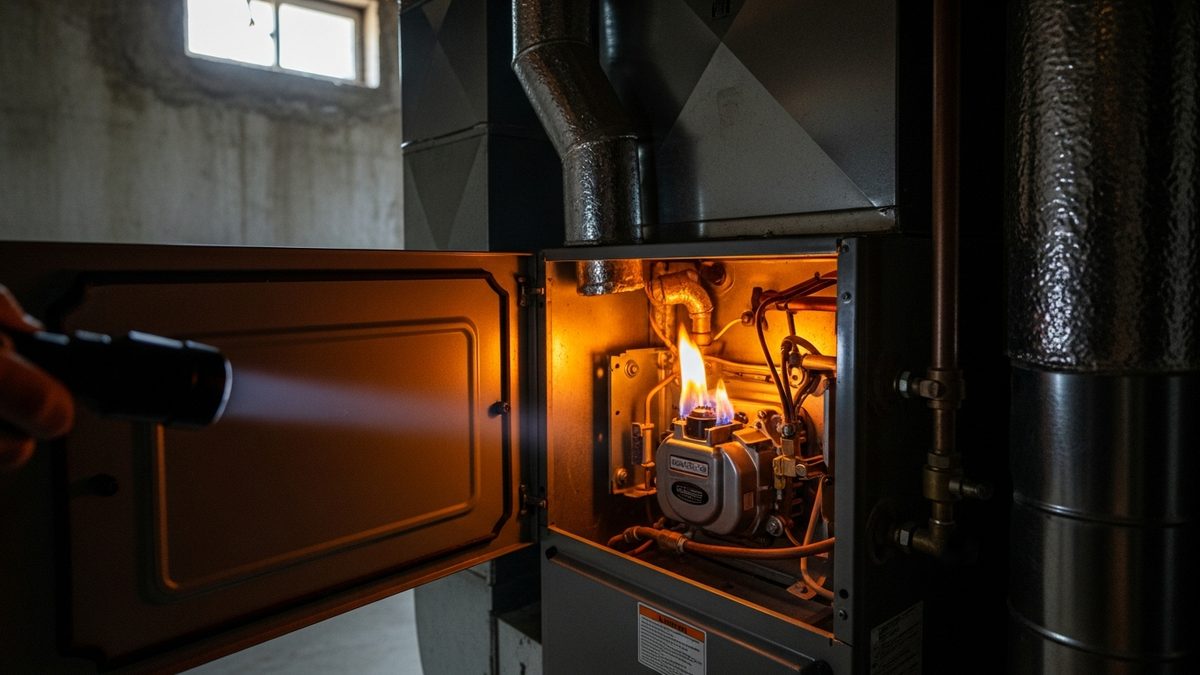
You went to turn up the heat and nothing happened. No hum, no click, no warm air — just silence and a cold house. Before you panic, know that a completely unresponsive furnace is one of the most common calls HVAC technicians get, and a surprising number of cases are fixed in minutes with no tools at all. This guide walks you through the most likely reasons and what you can safely do about each one.
Most Likely Causes
These are ranked from the most common (and easiest to fix) down to the more serious issues that need a pro.
1. Thermostat is off, low, or out of power. If the thermostat isn't set to "Heat" mode, or the temperature setpoint is at or below room temperature, the furnace never gets a signal to turn on. Dead batteries cause a blank display, which looks alarming but is usually a two-minute fix.
2. A tripped breaker or flipped power switch. Every furnace has a dedicated circuit breaker in your electrical panel. If it trips, the furnace goes completely dark. There's also a wall-mounted on/off switch near most furnaces that looks just like a light switch — it gets accidentally bumped more often than you'd think.
3. Clogged air filter or blocked vents. A dirty filter chokes off airflow. Modern furnaces have a built-in safety limit switch that shuts the system down when it starts to overheat from restricted airflow. Furniture pushed against a floor vent can trigger the same shutdown.
4. Access panel not fully closed. All modern furnaces have a door safety switch on the blower compartment. If the panel is slightly ajar — even from a previous filter change — that switch cuts all power to the furnace. It's a safety feature, not a malfunction.
5. Condensate drain clogged (high-efficiency furnaces). If your furnace has a PVC exhaust pipe, it's a high-efficiency condensing unit. These produce water as a byproduct. When the drain line clogs, a float switch trips and prevents the furnace from running to avoid water damage.
6. Pilot light or ignitor failure. Older furnaces use a standing pilot flame. If it's gone out, there's nothing to ignite the burners. Newer furnaces use a ceramic hot-surface ignitor, which can crack or burn out over time. Either way, no ignition source means no heat.
7. Gas supply interrupted. If the gas shutoff valve near the furnace was accidentally closed, or there's a utility outage affecting your street, no gas will reach the burners. A rotten-egg smell means something far more serious is happening — see the Safety section below.
8. Dirty flame sensor or faulty ignition board. The flame sensor is a small rod that tells the furnace the burners are lit. When it gets coated in residue, it can't detect the flame and shuts off the gas valve almost immediately after startup. A bad control board can also prevent the startup sequence from beginning at all.
9. Blower motor or control failure. If the blower motor fails, the furnace may try to start but shut down quickly because heat isn't being distributed. This is less likely if the furnace is truly silent and unresponsive, but worth knowing about.
Troubleshoot It Yourself (Safely)
Work through these steps in order — start with the free and easy checks before moving to anything more involved.
Step 1 — Check the thermostat (2 minutes, $0–$4). Make sure the mode is set to "Heat" (not "Cool" or "Fan Only") and that the temperature setpoint is at least a few degrees above the current room temperature. If the display is blank, swap out the batteries. If you have a programmable thermostat, confirm the schedule hasn't overridden the setting. Result: If the furnace clicks on after this, you're done.
Step 2 — Check the breaker and the furnace power switch (5 minutes, $0). Go to your main electrical panel and look for a breaker labeled "Furnace," "HVAC," or "Air Handler." If it's tripped, it will sit between ON and OFF. Flip it fully to OFF, then back to ON. Then walk to the furnace and check the wall switch nearby — make sure it's in the ON position. Important: if the breaker trips again immediately after you reset it, stop. Don't reset it a second time. Call a licensed electrician.
Step 3 — Confirm gas is flowing (2 minutes, $0). Find the gas valve on the pipe leading into your furnace (usually a lever-style handle). When the lever runs parallel to the pipe, gas is flowing. If it's perpendicular to the pipe, it's closed — rotate it to the open position. As a cross-check, try a gas stove burner or another gas appliance. If nothing gas-powered works in your home, contact your gas utility; there may be a supply interruption. If you smell anything like rotten eggs at any point, stop immediately — see the Safety section.
Step 4 — Replace the air filter (5 minutes, $5–$20). Locate the filter slot, pull out the old filter, and hold it up to a light. If you can't see light through it, it's time for a new one. Install a replacement of the same size with the airflow arrow pointing toward the furnace. While you're here, make sure no vents in your home are blocked by furniture, rugs, or boxes. Result: A severely clogged filter can cause an overheating shutdown that resolves once airflow is restored.
Step 5 — Reseat all access panels (1 minute, $0). Push every removable panel on the furnace firmly closed until it clicks. The door safety switch requires solid contact to allow power through. Never tape this switch down or prop the door — it protects against serious hazards.
Step 6 — Clear the condensate drain if you have a high-efficiency furnace (5–10 minutes, $0–$5). Look for standing water around the base of the furnace or in the drain pan. If the PVC condensate line is clogged, use a wet/dry vacuum on the drain outlet, or carefully flush the line with a 50/50 mix of white vinegar and water. Empty any standing water from the pan. Result: Once the float switch resets, the furnace should be able to start again.
Step 7 — Relight the pilot (older furnaces only, 5 minutes, $0). If you have an older furnace with a standing pilot light, open the furnace door and look for the pilot assembly near the burners. Follow the manufacturer's lighting instructions printed on the furnace label exactly — they typically involve turning a knob to "Pilot," pressing and holding it while applying a flame, then slowly releasing. If the pilot won't stay lit or goes out repeatedly, that's a sign of a failing thermocouple and warrants a technician visit.
Step 8 — Check for a blinking error code (5 minutes, $0). Many furnaces have a small LED light inside the front panel that flashes diagnostic codes. Count the blinks and compare them to the key printed on the inside of the panel door or in your owner's manual. Write down what you see — it's useful information for a technician.
Step 9 — Call a professional. If you've worked through all of the above and the furnace still won't respond, stop here. The remaining likely causes involve gas components, internal wiring, or control boards that require licensed hands.
Safety First
This section is not optional reading — please go through it before touching your furnace.
Natural gas leaks are emergencies. Natural gas is odorless on its own, but utility companies add a sulfur compound that smells like rotten eggs or a struck match. If you smell it anywhere near your furnace, do not flip any switches, use your phone indoors, or try to investigate further. Get everyone (including pets) out of the house immediately, leave the door open as you exit, and call 911 or your gas utility's emergency line from outside. Do not re-enter until the utility has cleared the home.
Carbon monoxide has no smell. A cracked heat exchanger or a blocked flue can allow carbon monoxide (CO) — a colorless, odorless gas — to spill into your living space. Symptoms of CO poisoning include headache, dizziness, nausea, and confusion. The U.S. Consumer Product Safety Commission recommends CO alarms on every level of the home and outside each sleeping area. If your CO alarm sounds, treat it exactly like a fire alarm: get out and call 911. Never disable a CO alarm or an HVAC safety switch.
Electrical shock is a real risk. Always shut off power to the furnace at the circuit breaker — not just the wall switch — before removing panels or touching internal components. Even with the furnace switch off, some internal parts may remain energized.
Fire hazard from airflow restriction. Blocked vents and clogged filters don't just shut the furnace down — they cause components to overheat. Keep the area around your furnace clear of cardboard boxes, laundry, and other flammable materials.
When to Call a Licensed Pro
Stay DIY for: replacing batteries, resetting a breaker, swapping a filter, reseating a panel door, flushing a condensate drain, relighting a standing pilot (if you're comfortable).
Call a licensed HVAC technician for:
- Any work involving gas valves, burners, or fuel supply lines
- Ignitor or thermocouple replacement (involves gas and flame diagnosis)
- A faulty door switch, float switch, or limit switch — replace these properly, never bypass them
- Anything involving internal wiring, control boards, or the heat exchanger
- A furnace that short-cycles (starts and stops rapidly)
- Any burning smell, persistent gas odor, or CO alarm activation
- A breaker that trips repeatedly after being reset
Gas work and venting repairs often require a permit and must be done by a licensed contractor in most jurisdictions. When in doubt about whether a repair is legal to DIY, assume it isn't.
What It Typically Costs (2025–2026 US Estimates)
DIY costs:
- Replacement air filter: $5–$20
- Thermostat batteries: $2–$4
- Replacement fuse (if your model uses one): $3–$5
- Hot-surface ignitor (DIY-willing homeowners only): $15–$120
Professional repair costs: According to HomeAdvisor's 2025 data, furnace repair costs typically fall between $133 and $505, with an average around $318. Common individual repairs run:
| Repair | Typical Pro Cost |
|---|---|
| Diagnostic service call | $100–$150 |
| Flame sensor cleaning/replacement | $150–$250 |
| Ignitor replacement | $150–$500 |
| Gas valve replacement | $200–$600 |
| Control or circuit board | $200–$600 |
| Blower motor | $150–$2,000 |
| New furnace (installed) | $3,500–$6,500+ |
Labor runs $50–$150 per hour. Expect a flat trip fee equivalent to at least one hour, and after-hours or weekend calls typically cost more. Getting two or three quotes before committing to major repairs is always worth the effort.
Common Mistakes to Avoid
Skipping the simple stuff first. A surprising number of service calls turn out to be a tripped breaker or a thermostat set to "Cool." Check the basics before calling anyone.
Resetting the breaker more than once. If it trips again immediately, there's a fault. Repeated resets can cause damage or a fire.
Forgetting to cut power before opening the furnace. The door switch helps, but it can fail. Always cut the breaker first.
Bypassing a safety switch. Taping down the door switch or float switch to "make the furnace run" defeats protections that exist for good reason. It's dangerous and likely to cause a bigger, more expensive problem.
Ignoring a clogged condensate drain. If a float switch tripped because water backed up, clearing just the switch without clearing the drain means it will trip again within hours.
Installing the wrong filter or putting it in backward. Check the size printed on the old filter and install the new one with the airflow arrow pointing toward the furnace, not away from it.
How to Prevent It
Schedule an annual tune-up. A licensed HVAC technician will clean burners, test safety switches, inspect the heat exchanger, verify venting, and spot small problems before they become cold-night emergencies. The DOE's Energy Saver guidance recommends annual professional maintenance for all central heating systems.
Change filters on a schedule. Check your filter monthly and replace it when it looks gray and matted — at minimum every one to three months. Set a recurring reminder on your phone so it doesn't slip.
Keep vents and the furnace area clear. Don't stack anything against return-air grilles, and leave a clear perimeter around the furnace unit itself.
Install and test CO detectors. Place one on every level of your home and outside each sleeping area. Test them monthly and replace batteries at least once a year.
Pay attention to early warning signs. Unusual smells, short cycling, or strange noises are your furnace telling you something is off. Getting a technician out to look at a minor issue is far cheaper than a full breakdown in the middle of winter.
FAQ
Q: My thermostat is set to Heat but the furnace is completely silent. What do I try first? A: Start with the basics: confirm the thermostat mode and setpoint are correct, replace the batteries if the display looks dim or blank, then check the furnace circuit breaker and the wall power switch near the unit. Finally, pull out the air filter — if it's heavily clogged, that may have triggered a safety shutdown.
Q: How do I safely reset my furnace? A: The simplest reset is to turn the furnace's wall switch (or the breaker) off, wait two to three minutes, then turn it back on. This clears minor electronic glitches. If the furnace still won't start after one reset, don't keep trying — it's time to go through the troubleshooting checklist or call a technician.
Q: I hear clicking but the furnace never ignites. What does that mean? A: That clicking sound is the ignitor attempting to fire the burners. Repeated clicking without ignition usually points to a dirty flame sensor, a failed hot-surface ignitor, or a gas supply issue. Cleaning the flame sensor rod is a task some homeowners are comfortable with; if the problem persists after that, call a pro.
Q: Can a dirty filter actually shut my furnace off completely? A: Yes. A severely clogged filter restricts airflow so much that the furnace overheats. The limit switch — a safety device — detects the overheating and shuts everything down. Replace the filter and give the furnace 30 minutes to cool before trying to restart it.
Q: I smell something like rotten eggs near my furnace. What should I do? A: Leave the house immediately without touching any switches, outlets, or your phone until you're outside. Call 911 or your gas utility's emergency number from outside. Do not re-enter until the utility company says it's safe. This is not a DIY situation under any circumstances.
Q: How do I know if I need a professional instead of doing it myself? A: Call a licensed HVAC tech if you've checked all the basic items (thermostat, breaker, filter, panel, gas supply) and the furnace still won't start — or if you encounter any of these: a gas smell, a CO alarm going off, burning or electrical odors, a breaker that keeps tripping, a furnace that starts briefly then shuts down, or any repair involving the gas valve, burners, heat exchanger, or internal wiring.
Ready to Get It Fixed?
If you've worked through these steps and your furnace still won't come on, or if any of the red flags above apply to your situation, it's time to bring in a vetted local professional. Local Service Group connects homeowners with licensed, reviewed HVAC pros in their area for a free, no-obligation quote. Don't wait out the cold — get a quote today and have a pro diagnose the problem the right way.
Sources
- U.S. Department of Energy — Furnaces and Boilers: https://www.energy.gov/energysaver/furnaces-and-boilers
- U.S. Consumer Product Safety Commission — Carbon Monoxide Information Center: https://www.cpsc.gov/Safety-Education/Safety-Education-Centers/Carbon-Monoxide-Information-Center
- HomeAdvisor — How Much Does Furnace Repair Cost? (2025 data): https://www.homeadvisor.com/cost/heating-and-cooling/repair-a-furnace/
Disclaimer
The information on this page is provided for general educational purposes only and is offered "as is" and "as available," without warranties of any kind, whether express or implied — including, without limitation, any warranties of accuracy, completeness, reliability, merchantability, or fitness for a particular purpose. It is not professional advice and is not a substitute for inspection, diagnosis, or repair by a licensed, qualified professional.
Home systems involving gas, electricity, water, refrigerant, fire, or structural components can be hazardous, and requirements vary by local code and jurisdiction. Any inspection, diagnosis, repair, installation, or other action referenced on this page should be performed by a licensed professional. You should not rely on this content to perform such work yourself. To the fullest extent permitted by law, [Company Name] and its owners, employees, and contributors assume no responsibility or liability for any injury, death, property damage, or other loss arising out of or in connection with the use of, or reliance on, this information.
If you smell gas or suspect a carbon monoxide leak, leave the area immediately and call 911 or your gas utility from a safe location.